

Looking to improve your website’s performance and user satisfaction? Responsive design benefits include better user experience, increased mobile traffic, improved SEO, and cost savings.
Read on to discover why responsive design is essential for today’s websites. Let’s explore Responsive Design Benefits for Websites.
Responsive Design Benefits for Websites: Key Takeaways
- Responsive web design enhances user experience across devices, fostering engagement and reducing bounce rates.
- Implementing responsive design is cost-effective, as it simplifies maintenance and minimises the need for multiple site versions.
- A responsive website improves SEO performance, leading to higher search rankings and increased mobile traffic.
7 Top Responsive Design Benefits for Modern Websites
Responsive web design offers a range of benefits for businesses and users alike.
- Enhanced user experience
- Improved SEO performance
- Increased mobile traffic
- Cost-effective maintenance
- Faster loading speeds
- Simplified updates
- Competitive edge
Each of these benefits plays a vital role in ensuring that a website meets the demands of today’s diverse internet users.
Introduction
Why responsive design emerged
- Early sites used fixed widths, which broke on non-desktop screens.
- Smartphones and tablets created many screen sizes and resolutions.
- Design needed to adapt automatically to each device.
How it works
- Fluid grids, flexible images, and media queries adjust layouts.
- One design scales to fit desktops, tablets, and phones.
Where we are now
- Responsive design is standard practice.
- It keeps sites accessible and user-friendly across devices.
What is Responsive Web Design?
Responsive web design adapts a site’s layout to the visitor’s screen size and orientation.
- Delivers a seamless experience on desktop, tablet, and mobile.
- Uses flexible images and fluid grids so content fits any screen.
Business advantages
- Cost-effective: one responsive site instead of separate mobile/desktop versions.
- Simpler ops: update once; changes apply everywhere.
- SEO friendly: single URL avoids duplicate content and helps rankings.
In essence, responsive design builds a functional, user-friendly, search engine optimised website.
Enhanced User Experience
Responsive design makes your site easy to use on any device.
- Clear navigation and consistent layouts build trust.
- Better readability and touch targets reduce frustration.
- Improved UX lowers bounce rates and boosts engagement.
By offering a consistent experience, businesses can build trust and increase conversions.
Improved SEO Performance
Google’s mobile-first indexing prioritises the mobile version of your site.
- Responsive sites are more likely to rank higher.
- Single URLs prevent duplicate content and simplify crawling.
- Fast pages improve satisfaction, engagement, and rankings.
Use mobile-friendly websites to strengthen search visibility.
Increased Mobile Traffic
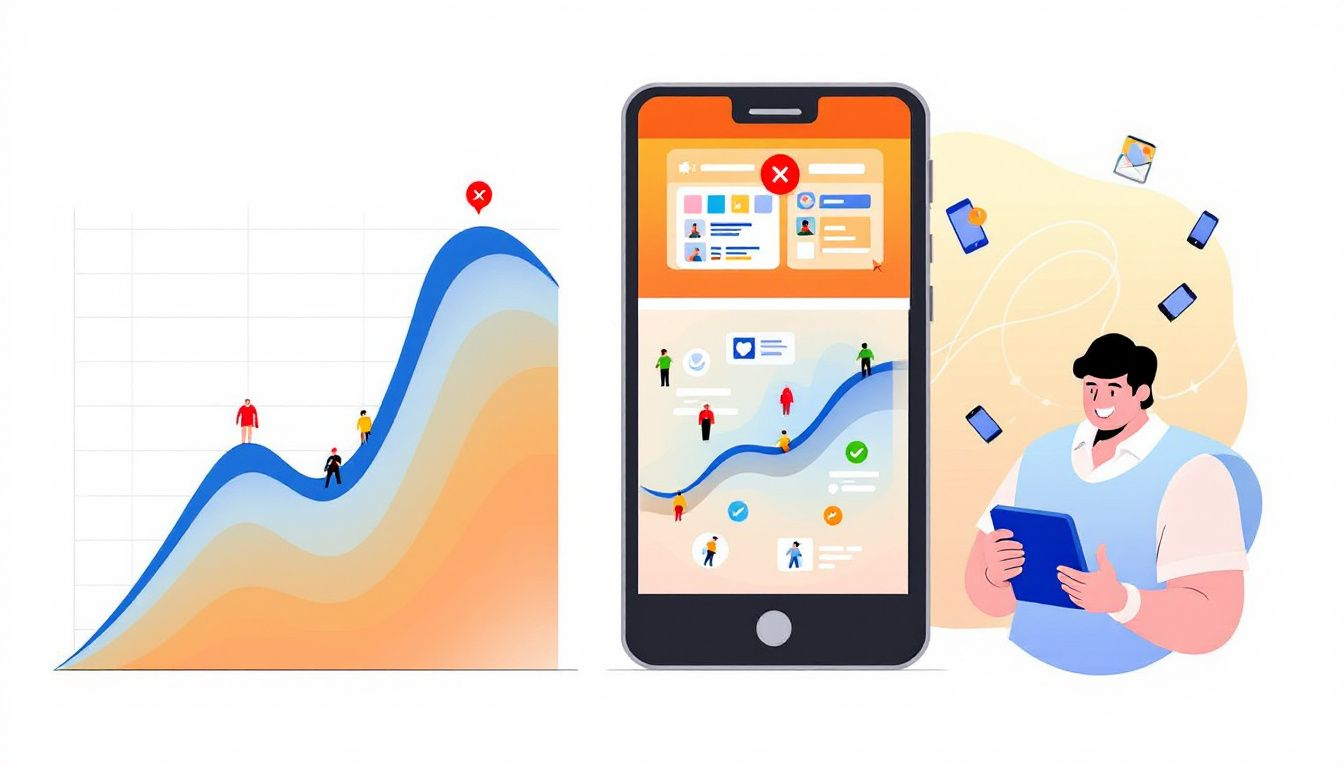
Mobile usage keeps growing. More visitors browse on phones than ever.
- Responsive layouts fit small screens without zooming.
- Buttons, text, and images scale for touch and clarity.
- Better mobile UX means longer visits and more returns.
This improves user experience and keeps people engaged.
Cost-Effective Solution
Maintaining one responsive site saves time and money.
- Single codebase; updates once, everywhere.
- Fewer tests than separate mobile/desktop builds.
- Unified analytics and one URL to promote in campaigns.
This approach streamlines management and keeps the experience consistent.
Faster Loading Speed
Speed matters for users and SEO.
- Fluid grids render content faster across screen sizes.
- Responsive images deliver the right size for each device.
- Fewer delays reduce abandonment and improve rankings.
Simplified Maintenance
A single responsive site simplifies ongoing work.
- Update content once across all devices.
- Lower testing, support, and QA overhead.
- Cleaner analytics and easier decision-making.
See website maintenance benefits in your team’s daily workflow.
Competitive Edge
Responsive sites rank better, convert more, and build credibility.
- Higher visibility attracts more qualified traffic.
- Real-world case studies show strong gains in mobile sales.
- Backlinks consolidate to one URL, strengthening SEO.
To stay ahead of competitors, keep improving your mobile UX and performance.
Responsive Design Benefits for Websites: Summary
Responsive design delivers:
- Better UX and higher engagement
- Stronger SEO and more mobile traffic
- Lower costs, faster pages, simpler updates
- A clear competitive advantage
Adopt responsive design to meet user expectations, build trust, and reach your goals.
Responsive Design Benefits for Websites: Frequently Asked Questions
What is responsive web design?
Responsive web design adapts layouts to different screens using fluid grids, flexible images, and media queries for a consistent experience on any device.
How does responsive design improve SEO performance?
One URL for all devices prevents duplicate content, simplifies indexing, and supports better rankings—especially under mobile-first indexing.
Why is responsive design important for mobile traffic?
Responsive design fits smaller screens, improves readability and touch targets, and encourages visitors to return.
How does responsive design reduce maintenance costs?
You manage one site instead of two. Updates, testing, and analytics are simpler and cheaper.
What competitive advantages does responsive design offer?
Better SEO, stronger UX, and higher conversions position your brand ahead of rivals.
Take your business to the next level with a Pixel Fish Website.
Check out some of our latest Website Design projects.
Further Information
Why your business needs to embrace Mobile Responsive Website Design
3 Reasons Mobile Responsive Design is Crucial for Your Online Success
Understanding Mobile Responsive Ecommerce Web Design
The Impact of Smartphones on Mobile Responsive Design
Instagram vs LinkedIn: Which Platform Should Your Business Focus on
How to Set Marketing Goals That Actually Drive Sales
How to Repurpose Your Website Content Across Email Marketing and Social Media
How Often Should You Post on Social Media: A Complete Guide
How to Create Blogs That Attract the Right Audience
How to Define Your Ideal Customer: A Complete Guide