
Top Strategies to Optimise Website Content for AI Search Results
Want to rank higher in AI search results? This article covers how to optimise website content for AI search. We’ll guide you through key strategies, like understanding AI algorithms and creating content that gets noticed.
Key Takeaways
- Understanding AI search algorithms is crucial for optimising content, as they prioritise context and intent over mere keyword matching.
- Creating high-quality, AI-friendly content that is clear, structured, and relevant enhances visibility and engagement with AI search results.
- Monitoring AI search performance and adapting to trends like user-generated content is essential for maintaining relevance and improving search rankings.
Understand AI Search Algorithms

Optimising content for AI powered search engines requires a good grasp of their operation. AI search engines such as ChatGPT and Perplexity use natural language processing (NLP) to interpret user queries by context and intent, not merely keyword matching. This capability to understand nuances like idioms and metaphors enables them to deliver more relevant and accurate results through generative search engines and generative engine optimisation.
Another key aspect of AI search algorithms is their continuous learning process. These AI engines constantly refine their algorithms based on user feedback and interactions, improving their accuracy over time. As a result, AI search engines continuously evolve and adapt to new language patterns and user behaviours, often outpacing traditional search engines.
Yet, understanding human language’s nuances remains challenging for AI systems. Despite their sophistication, AI search engines may misinterpret idiomatic expressions and metaphors, leading to potential misunderstandings of user intent. Aligning content with AI’s contextual understanding is key to achieving high search rankings, especially when avoiding vague language.
Create AI-Friendly Content for AI Search Answers
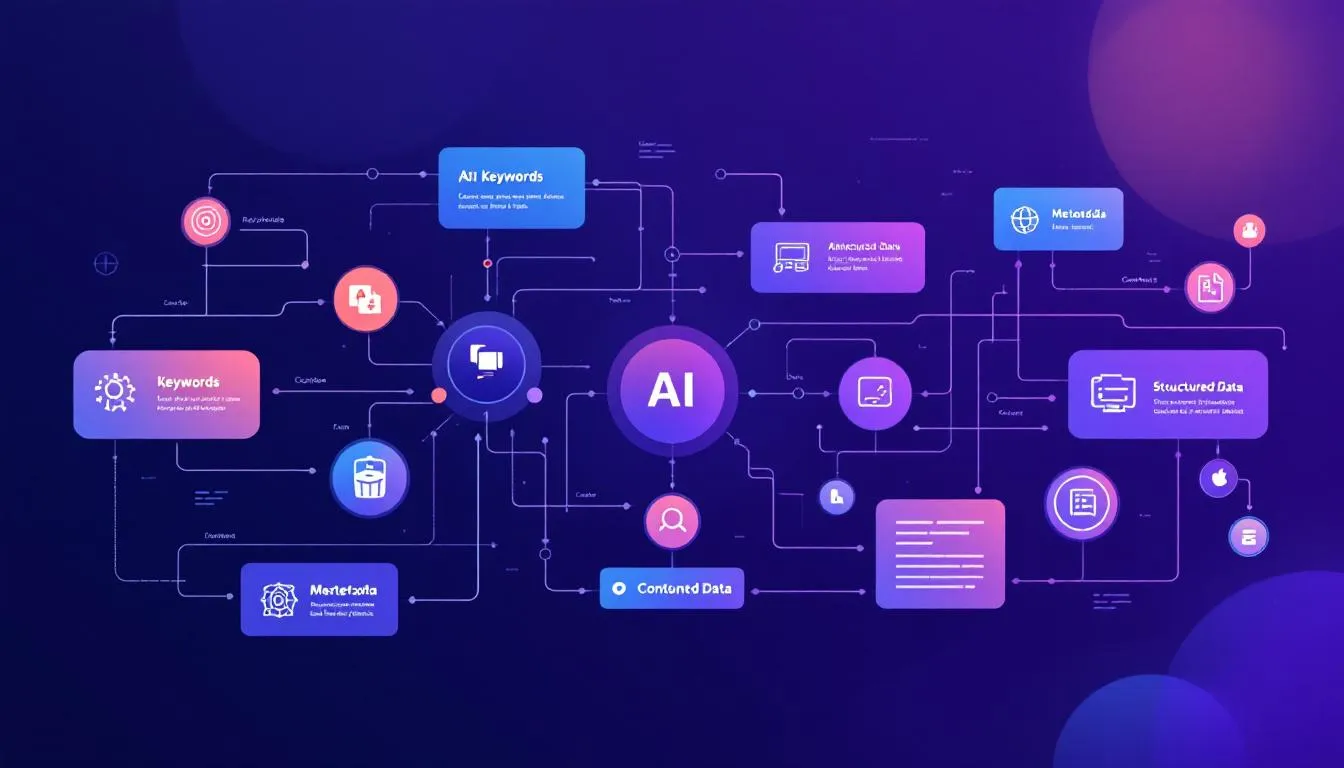
To improve visibility and engagement, create content that resonates with AI search engines by:
- Focusing on clear content
- Ensuring relevance
- Maintaining genuineness
- Prioritising quality that addresses user intent
- Offering valuable insights
AI search engines particularly favour in-depth and comprehensive content, which improves visibility. Thoroughly covering a topic with detailed information satisfies user queries, enhancing both search rankings and user engagement. Incorporating AI search optimisation can further enhance these benefits.
Incorporating unique data and expert insights can further boost content performance. Expert opinions and unique data create actionable, engaging content that stands out. Using varied language to describe concepts naturally makes the content more engaging and helps AI understand conversational queries.
Optimise for Quality Content Crawlability and Indexability

Effective indexing and ranking by AI search engines requires optimising for crawlability and indexability. A clean site structure helps search engines improve crawling efficiency, aiding search engines in navigating your website’s content. Sitemaps guide search engines, ensuring all content is discoverable.
Using meta tags correctly enhances how search engines interpret your site’s content. Meta tags offer essential information about web pages, including the page title, aiding search engines in understanding context and relevance. Proper header tag use clarifies the hierarchy and importance of content sections.
Regularly check for broken links and avoid excessive redirects to maintain site integrity and crawlability. Broken links hinder search engine access to content, and excessive redirects slow down crawling. Keeping your site free of such issues improves crawlability, indexability, search rankings, and adheres to traditional seo best practices through internal linking for site owners.
Structure Content for Easy Extraction
Organising content logically enhances AI comprehension of the relationships between ideas, making it easier to extract relevant information. Subheadings, lists, and summaries significantly improve AI’s ability to interpret content effectively.
Short, focused paragraphs increase the likelihood of AI extracting relevant information. AI also dynamically creates metadata for web pages, aligning with user behaviour and trends, enhancing discoverability. Featured snippets can further improve the visibility of this webpage’s information through data analysis.
A logical and structured approach ensures content is accessible and understandable for AI systems, improving search result rankings.
Use Clear, Concise Answers
Presenting essential information directly can significantly boost your visibility in AI-generated answers. Key strategies include:
- Using clear headings and subheadings to help AI parse content effectively.
- Making it easier for search engines to locate and display relevant information.
- Employing structured formats like lists, tables, and organised headings increases the chances of featuring in search snippets.
Natural, conversational language effectively engages readers and enhances clarity. Ideally, sentences should be 15-20 words in length. Making content machine-readable by using understandable formatting improves the chances of featuring in AI search results.
This dual approach makes content both user-friendly and AI-friendly, boosting overall visibility.
Leverage Bullet Points and Numbered Lists
Bullet points simplify complex information, making it easier for AI to analyse and interpret specific data points and key details. Breaking down information into digestible chunks enhances readability, increasing the likelihood of featuring in AI search results.
Numbered lists clearly present sequential information for users and AI. This structured approach ensures content is accessible and understandable, improving its search ranking potential by providing clear answers.
By leveraging bullet points and numbered lists, you can enhance the clarity and effectiveness of your content for both users and AI systems.
Enhance Content Authoritativeness
Content authority is vital for visibility and trustworthiness in AI search results. Expert-written quality content greatly increases user trust and authority, especially in complex fields. Providing accurate, reliable information enhances credibility and visibility.
Implementing structured data and obtaining reputable backlinks boosts site authority in several ways:
- Structured data helps AI tools interpret content.
- High-authority backlinks signal trustworthiness and relevance.
- Expert quotes add credibility and encourage social shares and links, further enhancing authority.
Authority signals include expert bylines, structured data, and mentions from high authority sites. Incorporating these elements establishes strong authority, improving search ranking chances.
Integrate Multi-Modal Support
Image SEO is increasingly vital as search engines prioritise visual content, boosting discoverability and user engagement. Visual content can lower bounce rates and increase site time, favorable for search rankings. Optimally sized, quality images enhance page load times, influencing user experience and technical seo search optimisation rankings.
To maximise engagement and optimise content for AI search:
- Combine text, video, images, and interactive elements.
- Use visual content like diagrams, charts, and graphs, as preferred by Perplexity AI, for better user engagement.
- Support key images with descriptive captions to aid AI comprehension.
- Include data visualisations and relevant images to support written content effectively.
Enhancing user experience involves integrating visual elements with text responses, making content more engaging and accessible. Supporting written content with infographics, how-to videos, and interactive charts ensures optimisation for AI search and provides a richer user experience.
Optimise for Conversational Queries
Natural language processing techniques align content with user intent by addressing specific needs and questions. The rise of large language models (LLMs) is reshaping search behaviour, favouring nuanced and conversational responses over traditional methods. AI search behaviour often involves long, conversational, multi-turn natural language queries with high task-oriented intent, including voice searches.
Key strategies for optimising content for AI summaries include:
- Focusing on longer, question-based queries to appear in Google AI summaries.
- Employing long-tail, question-based phrases to optimise content for AI like Perplexity.
- Structuring content as a Q&A session to improve clarity and increase the likelihood of citation, including follow-up questions.
- Providing clear, direct answers to enhance citation likelihood by AI tools significantly.
Appearing in Google AI summaries is critical as users may not see content that doesn’t feature there. Adopting a conversational tone and effectively addressing user queries can greatly enhance visibility in AI search results.
Implement Structured Data for AI Agents
Structured data enhances search engine understanding of webpage content, improving discoverability. JSON-LD is the preferred format for structured data implementation, being easier to use and maintain. To qualify for rich results, include all required properties in the markup.
Use the Rich Results Test tool to validate structured data and preview enhanced search features. Integrating structured data helps AI tools interpret content, though its future role in AI visibility is still debated. Employ FAQ Schema Markup to improve ranking likelihood by helping Google display questions effectively.
AI can automate descriptive text generation for structured data, such as alt text for images, enhancing accessibility. Implementing structured data improves content discoverability and relevance in AI search results.
Focus on Topical Breadth and Depth
AI search relies on both topical breadth and depth to assess brand authority and relevance. AI search engines favor thorough content coverage, leading to higher visibility. Addressing gaps in topical coverage ensures AI correctly interprets a brand’s offerings, as seen in various ai overviews.
Topical authority comes from thoroughly and intentionally covering a subject, boosting visibility and credibility. Brands providing extensive, detailed information are more likely to be recognised and cited by AI systems. Quality and depth of content significantly impact a brand’s presence in AI-generated results.
Focusing on topical breadth and depth enhances content authority and visibility in AI search results. This comprehensive approach ensures content meets user needs and stands out in the competitive AI search landscape.
Monitor AI Search Performance for AI Traffic
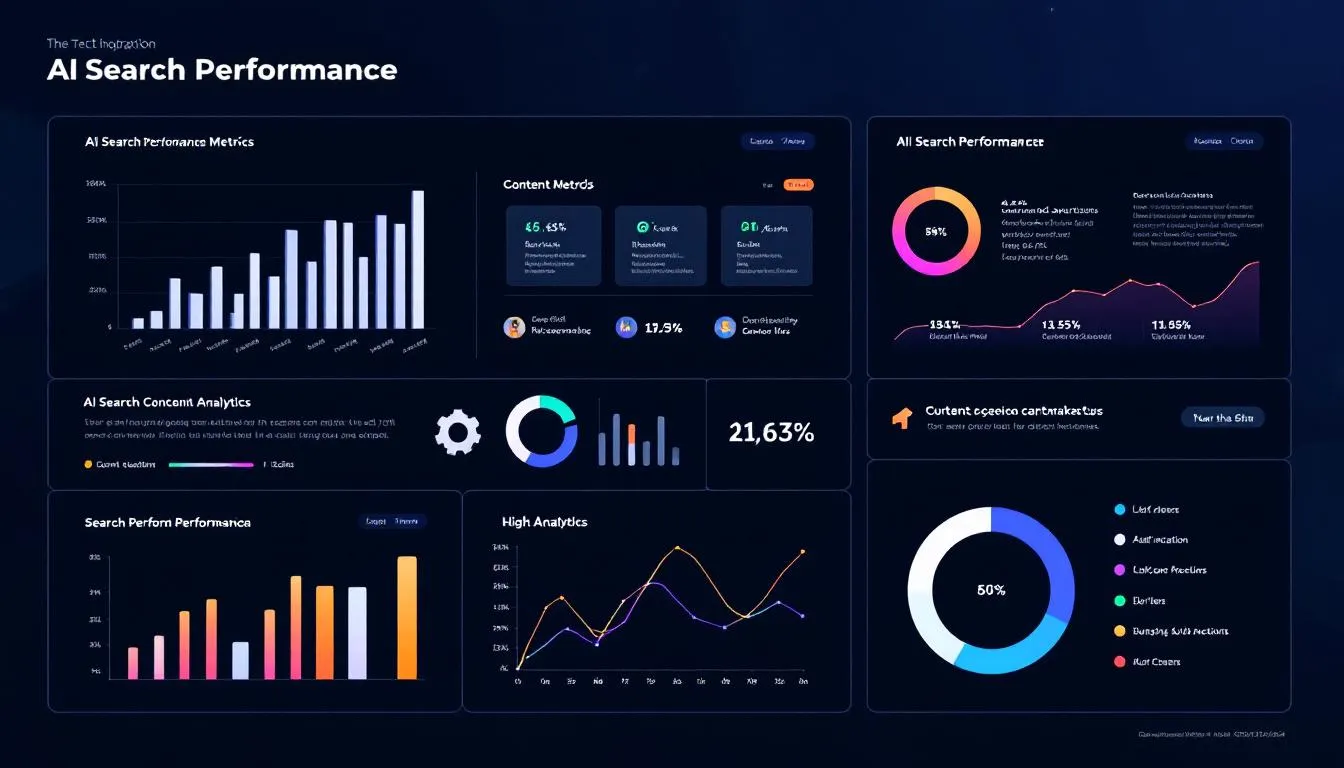
Monitoring AI search performance refines optimisation strategies. Tools like ZipTie offer an AI Success Score, summarising visibility across major AI platforms. Trakkr provides detailed analytics on AI crawler behaviour to optimise web pages for better AI search tools and AI visibility. Additionally, understanding AI crawlers can enhance overall strategies.
The following tools offer various features for tracking AI visibility:
- AthenaHQ: Tracks brand mentions across various LLMs and includes prompt analytics to evaluate visibility against competitors.
- Gumshoe AI: Offers persona-based visibility tracking to analyse audience interactions with AI models.
- Semrush: Provides insights on AI sentiment and keyword tracking, helping users understand their AI visibility in market landscapes.
Monitoring brand mentions and citations across platforms is crucial for SEO professionals to understand AI-driven search visibility. Key points include:
- Am I On AI allows brands to track specific prompts and responses in ChatGPT, offering insights into content performance.
- Tracking and analysing AI-driven traffic refines optimisation strategies.
- This process improves content performance in AI search results.
Leverage User-Generated Content
User-generated content enhances SEO and information compilation, making it more attractive to AI search engines. It plays a crucial role in boosting organic engagement and fostering community interaction. Incorporating user-generated content into your website improves SEO by providing fresh, relevant information.
Encouraging user-generated content not only enriches your site’s content but also increases its visibility in AI search results. This approach leverages the collective knowledge and experiences of your audience, creating valuable content that resonates with users and AI systems alike, including AI-generated content.
By integrating user-generated content, you can enhance your content’s relevance and engagement, improving its chances of being featured in AI search results. This strategy not only boosts your SEO but also fosters a sense of community and interaction among your audience.
Adapt to AI Search Trends and Search Rankings
Adapting your content strategy to align with evolving AI algorithms is crucial to maintaining relevance and visibility in search results. The rise of user-generated content has created significant partnerships between platforms like Reddit and major search engines, enhancing visibility in search results. This trend highlights the importance of staying current with AI search trends and incorporating user-generated content into your strategy.
Emerging AI tools like SearchGPT are expected to drive major traffic and enhance the integration of content within web results. These search tools prioritise conversational AI search, which enhances user experience by effectively addressing information overload and improving discoverability. By keeping up to date with these trends, you can ensure your content remains competitive and visible in the ever-evolving AI search landscape, including insights from Google searches.
Ultimately, adapting to AI search trends involves continuous learning and flexibility. By staying informed about the latest developments in AI search and adjusting your strategies accordingly, you can maintain a strong online presence and drive more traffic to your website.
How to Optimise Website Content for AI Search Results: A Summary
In summary, optimising your website content for AI search results involves a multifaceted approach. Understanding AI search algorithms, creating AI-friendly content, optimising for crawlability, and leveraging structured data are all critical components of this strategy. Additionally, focusing on content authoritativeness, integrating multi-modal support, and optimising for conversational queries can significantly enhance your visibility in AI search results.
By monitoring AI search performance, leveraging user-generated content, and adapting to AI search trends, you can stay ahead of the competition and ensure your content remains relevant and discoverable. Implementing these strategies will help you maximise your online presence and drive more traffic to your website, ultimately achieving your business goals.
Frequently Asked Questions
How do AI search engines differ from traditional search engines?
AI search engines differ from traditional search engines by utilising natural language processing to understand queries based on context and intent, while traditional engines primarily focus on keyword matching. This enables AI search engines to learn and enhance their accuracy over time continuously.
What is the importance of creating comprehensive content for AI search optimisation?
Creating comprehensive content for AI search optimisation is crucial as it thoroughly addresses user queries, which improves search rankings and enhances user engagement. By providing detailed and well-rounded information, you effectively meet the needs of your audience.
How can structured data improve my content’s visibility in AI search results?
Implementing structured data in your content improves its visibility in AI search results by enabling search engines to understand better and represent your webpage. Using JSON-LD format and validating it with tools like the Rich Results Test can significantly enhance this discoverability.
Why is it important to adapt to AI search trends?
It is crucial to adapt to AI search trends to keep your content relevant and maintain visibility in search results. By embracing these trends, you can ensure a competitive edge in the constantly evolving digital landscape.
How does user-generated content impact SEO and AI search results?
User-generated content significantly boosts SEO by offering fresh insights and enhancing user engagement, which AI search engines favour for better visibility. Therefore, leveraging this type of content can effectively improve your search rankings.
Take your business to the next level with a Pixel Fish Website.
Check out some of our latest Website Design projects.
Further Information
AI Technology is Taking Over Business. How Will it Affect Yours?
How AI Technology Could Impact Your Business In The Future
How Artificial Intelligence is Revolutionising Business Operations
Crafting the Best Website Development SEO Strategy for Top Rankings
Embracing Tomorrow: How the Future of AI Video Is Here with Open AI’s Sora