How to Turn Your Website Into a Lead-Generating Machine
Key Takeaways
- Most websites act as an online brochure rather than a lead generator, resulting in lost potential business due to a lack of conversion focus. This article shows you how to transform your WordPress site into a 24/7 lead engine that works while you sleep.
- The first priorities are clear offers, strong calls to action, simple forms, and targeted traffic from SEO and campaigns—not necessarily redesigning everything from scratch.
- Pixel Fish specialises in custom WordPress and WooCommerce sites specifically built to convert visitors into enquiries and sales for Australian businesses.
- You’ll walk away with a practical roadmap you can apply to your current website within the next 30 days, regardless of your technical skill level.
- The article finishes with an FAQ addressing budget, timing, and platform questions for Australian small and medium businesses.
Introduction: Your Website Should Be Your Hardest-Working Sales Rep
Picture this: a small business owner in Sydney invested in a beautiful website back in 2023. The design was modern, the photos looked sharp, and everyone who saw it said it looked professional. Fast forward to today, and she still relies almost entirely on word of mouth because her site hasn’t generated a single meaningful enquiry in months. Sound familiar?
A modern website must do more than look good—it must attract qualified visitors, guide them through a clear journey, and consistently convert them into leads. Your site should function like your best sales representative, one who never takes a day off, never forgets the pitch, and always knows exactly what to say to move a potential client closer to working with you.
At Pixel Fish, as a Sydney-based WordPress design agency, we build every website as a lead generation asset rather than a static brochure. Too many business websites remain just online brochures—visually appealing but missing out on real lead-generation opportunities. We’ve seen firsthand how the right structure, messaging, and conversion elements can transform a passive website into a genuine business growth engine.
Here’s what a true lead-generating machine actually does:
- Attracts qualified traffic through SEO and strategic content
- Guides visitors with clear navigation and compelling messaging
- Converts browsers into leads with strategic CTAs and simple forms
- Nurtures potential customers through lead magnets and follow-up sequences
Your Website Is the First Test: Build Instant Trust and Clarity
In 2024, most prospects Google you before they ever pick up the phone. Your website is the first place potential customers go to decide if you’re worth their time. They land on your homepage, skim for five to ten seconds, and make a snap decision about whether to stay or bounce. That tiny window is your first and often only chance to make an impression that counts.
For service businesses, a lead typically means a form enquiry, a phone call, or a booked consultation. Most websites fail to convert visitors effectively, resulting in lost potential business and missed opportunities for growth. Every element of your site must drive visitors towards those specific actions. Without this focus, you have a digital presence but not a lead-generating powerhouse.
Your homepage needs a clear value proposition above the fold—the visible area before someone scrolls. This should immediately communicate who you help, what you do, and what the primary next step is. For example, a headline like “Custom WordPress Websites for Australian Small and Medium Businesses” paired with a subheading that addresses a pain point such as “Stop losing customers to competitors with better websites.”
Consider a hero section that combines a strong headline with a prominent call to action button like “Book Your Free Website Review.” Beneath this, add trust signals such as years in business, recognisable client logos, Google review ratings, or industry certifications. This combination of clear messaging and social proof immediately tells visitors they’re in the right place and that you’re credible enough to trust with their contact details.

Bring the Right People In: Boost Your SEO and Content Visibility
Without qualified website traffic, even the most beautifully designed site cannot generate leads. Search engine optimisation ensures your ideal clients can actually find you when they search for solutions you provide. SEO isn’t optional—it’s the foundation that feeds your entire lead generation efforts.
Pixel Fish performs SEO keyword research for every WordPress build, focusing on commercial-intent terms that signal someone is ready to take action. Terms like “web design agency Sydney” or “WordPress web design packages” indicate a searcher who’s actively looking for services, not just browsing for information.
Creating a simple SEO plan starts with identifying 10-20 target keywords, then mapping them to key pages across your site. Your homepage might target your primary service keyword, while individual service pages target more specific terms. Blog posts can capture longer-tail questions your potential clients are actively searching for.
For example, a blog post titled “How Much Does a Small Business Website Cost in Australia in 2025?” targets a high-intent question and naturally leads readers toward a consultation CTA at the end. Tools like Google Keyword Planner, Ubersuggest, or SEMrush can help validate search volume and competition levels for your target terms.
On-Page SEO Essentials for Lead Generation
On-page SEO goes beyond just ranking well—it directly impacts whether visitors stay and convert. Title tags should follow a clear formula like “Service in Location | Brand Name” (for example, “WordPress Web Design Sydney | Pixel Fish”). This tells both search engines and users exactly what the page offers.
Your H1 and H2 headings should include relevant keywords while remaining readable and benefit-focused. Internal links from blog posts to service pages and your contact page with contextual anchor text gently push visitors toward enquiry forms without feeling pushy.
Image alt text serves dual purposes: improving accessibility and providing additional keyword relevance. Fast-loading pages are equally critical—if your page speed is slow, visitors leave before they ever see your offer. Google PageSpeed Insights can identify specific issues slowing your site down.
Meta descriptions, while they do not have a direct ranking influence, significantly impact click-through rates from search results. Write them like mini-advertisements that compel searchers to choose your link over competitors.
Create Content That Solves Real Business Problems
Content marketing works best when it solves specific problems rather than simply talking about your business. Articles like “How to Launch an Online Store in Australia With WooCommerce in 2025” attract people actively researching solutions—exactly the type of potential customers you want visiting your site.
Effective content types that drive leads include:
- Step-by-step guides that demonstrate expertise while helping readers achieve quick wins (CTA: “Need help implementing this? Book a free strategy call”)
- Pricing explainers that answer the questions prospects are already asking (CTA: “Get a custom quote for your project”)
- Case studies showing real results you’ve achieved for clients (CTA: “Want similar results? Let’s talk”)
- Comparison pieces like “Wix vs WordPress for Australian Small Businesses” that help readers make informed decisions (CTA: “Not sure which platform is right for you? Download our platform selection guide”)
- Offer lead magnets that solve specific problems for your audience, such as checklists, toolkits, or actionable resources that address immediate needs and build trust.
Gated content, such as e-books and templates, can be effective lead magnets for capturing emails.
Each content piece should funnel to a logical next step with a clear call to action—whether that’s a bold CTA banner, an inline text link, or an embedded form.
Design for Conversion: User-Friendly Layouts and Clear Navigation
A “pretty but confusing” website loses leads to a “simple but conversion-focused” layout every single time. Pixel Fish prioritises the latter in every WordPress build because we’ve seen how clarity beats complexity when it comes to turning visitors into enquiries.
Intuitive navigation keeps visitors moving through your site rather than bouncing in frustration. A clear menu structure—Home, Services, Portfolio, Blog, About, Contact—gives visitors confidence they can find what they need. When most visitors can’t immediately understand how to navigate your site, they leave.
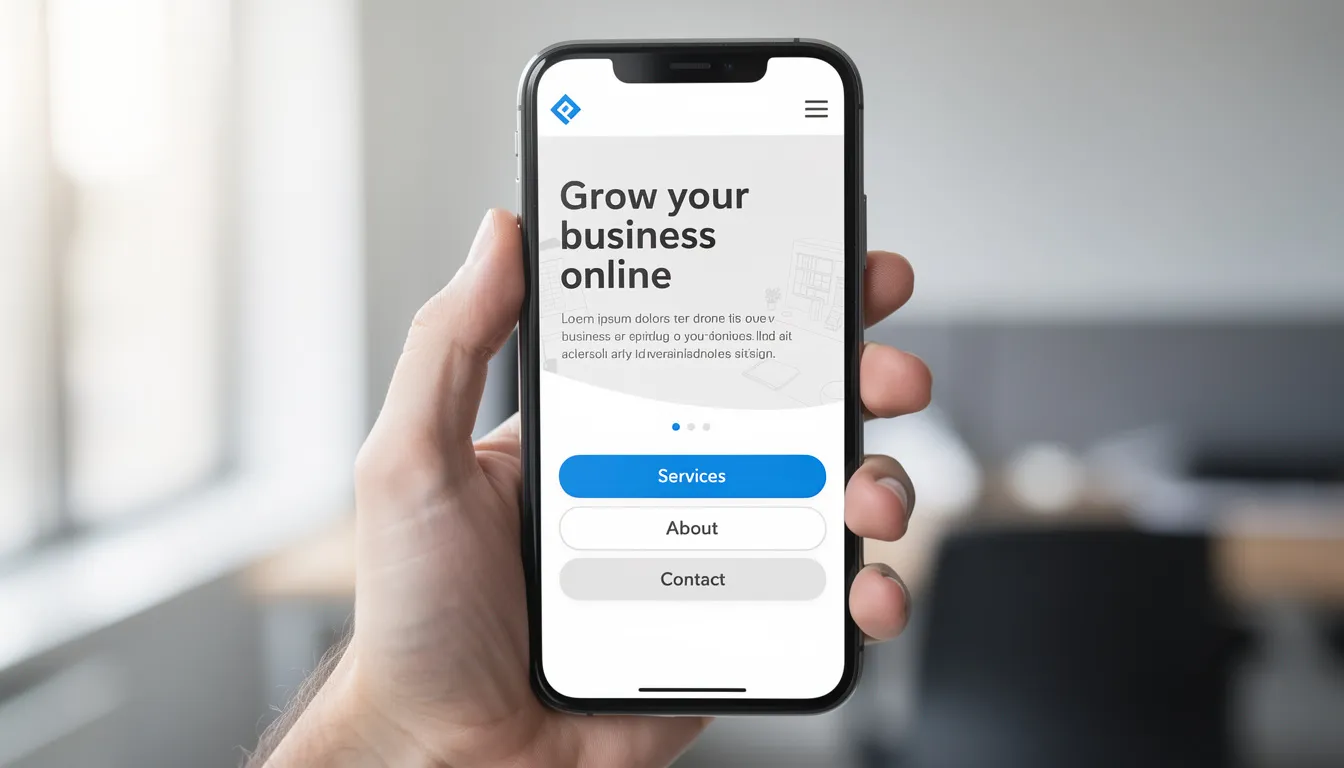
Mobile-first design isn’t optional in Australia, where more than half of website traffic typically comes from mobile devices. This means tap-friendly buttons sized for thumbs, readable text without zooming, and forms that don’t require pinching and scrolling to complete. The mobile experience must be just as smooth as desktop.
Site speed directly impacts conversion rates. Research consistently shows that visitors leave if a page takes more than three seconds to load. Google PageSpeed Insights identifies specific bottlenecks—oversized images, render-blocking scripts, or slow server response times—that you can address to improve load time.
Use Social Proof and Credibility to Remove Doubt
Visitors are inherently hesitant to submit their contact details unless they trust you. Trust signals and social proof—testimonials, case studies, success stories, and client logos—build that trust quickly without requiring you to say a word about yourself.
Using testimonials or case studies can boost credibility and show that others have found success.
Place testimonials strategically near enquiry forms and lead magnets where visitors are making conversion decisions. Google Reviews widgets, industry awards, “X years in business” badges, and recognisable client logos all contribute to reducing hesitation.
Short case studies using a problem-solution-result format work exceptionally well. For example: “A Sydney accounting firm was struggling with an outdated website that generated fewer than five enquiries per month. After a Pixel Fish custom WordPress redesign focused on clear service pages and simplified contact forms, they now receive over 20 qualified enquiries monthly.”
Make the Navigation and Layout Guide Visitors to Enquire
Consistent header and footer CTAs like “Request a Quote” or “Book a Free Website Review” ensure visitors always know the next step, regardless of which page they’re viewing. CTAs stand out best when they use contrasting colours and action-oriented language that creates urgency or clarifies the benefit.
Think of your site as a guided user journey: the homepage introduces your value, service pages detail specific offerings, case studies provide proof, and the contact page makes taking action simple. Links and buttons should support this flow at every stage, gently directing visitors toward conversion.
Sticky headers or sticky enquiry buttons on mobile keep your primary CTA visible as users scroll. Imagine a visitor reading a long case study on their phone—a sticky “Get Your Free Quote” button at the bottom of the screen keeps the next step accessible without scrolling back to the top.
Create High-Value Lead Magnets That Attract the Right Prospects
A lead magnet is a free resource you offer in exchange for a visitor’s contact details—typically their name and email address. They work exceptionally well for service businesses because they provide genuine value upfront while giving you permission to follow up with potential leads who’ve demonstrated interest.
Effective lead magnets must be specific to your target audience. Generic content gets ignored; specific solutions to pressing problems get downloaded. Examples relevant to web design services include:
- 2025 Website Planning Checklist for Australian Small Businesses
- WooCommerce Launch Roadmap for New Online Stores
- The 10 Biggest Website Mistakes Costing Australian Businesses Leads
- Website ROI Calculator for Service-Based Businesses
- Mobile Optimisation Audit Template
Each of these addresses a specific challenge your ideal clients face, aligns with paid services you offer, and naturally positions a consultation or website project as the logical next step. Lead magnets should appear in key places throughout your site: homepage hero sections, relevant blog posts, sidebars, and dedicated landing pages built specifically for promotion.
What Makes a Lead Magnet Convert?
The best lead magnets solve a narrow, painful problem quickly. Titles like “How to Double Your Website Enquiries in 30 Days Without More Traffic” promise a specific outcome within a defined timeframe. This creates urgency and perceived value that generic guides lack.
Effective lead magnets offer a fast win—something the reader can implement in under an hour—while naturally tying back to your core offer. A website planning checklist, for instance, helps business owners prepare for a redesign project while demonstrating exactly why professional help makes the process smoother.
Delivery options include PDF downloads for checklists and guides, mini-video series for more complex topics, or email courses that deliver value over several days while keeping you top of mind. Pixel Fish can design on-brand opt-in pages and download pages within WordPress to present these resources professionally and maintain brand consistency throughout the experience.
Where to Promote Your Lead Magnets on Your Site
Strategic placement determines whether your lead magnets actually get seen and downloaded:
- Homepage section: A dedicated band below the hero offering your primary lead magnet
- Service page content blocks: Contextual offers related to specific services
- Blog post inline banners: Mid-article promotions that catch engaged readers
- Site-wide header bar: A persistent notification bar highlighting your best offer
- End-of-article opt-in sections: Capturing readers who’ve consumed your entire piece
Use contrasting button colours and clear copy like “Download the 2025 Website Planning Checklist—Free” for higher click-through rates. Visually, these elements work best as full-width coloured bands with an icon, a short benefit statement, and a single CTA button. The simpler and more visually distinct from surrounding content, the better.
Craft Landing Pages and CTAs That Turn Visitors Into Leads
Dedicated landing pages are single-goal pages designed around one specific offer—a free consultation, lead magnet download, or fixed-price website package enquiry. Unlike your homepage, which serves multiple purposes, a high converting landing page focuses visitor attention on a single action.
Your call to action button is the moment of truth that turns browsers into leads. Using clever copy in your CTA buttons is essential—well-crafted, persuasive wording can significantly increase conversions.
When running campaigns through Google Ads, Meta Ads, or email marketing, sending traffic to dedicated landing pages rather than your generic homepage typically produces significantly better conversion rates. The messaging matches the ad, distractions are minimised, and the path to conversion is crystal clear.
Create separate landing pages for different audience segments. “Website Design for Tradies in Sydney” speaks directly to one group, while “WooCommerce Stores for Australian Retailers” addresses entirely different pain points and aspirations. This relevance makes all the difference in whether visitors convert.
Pixel Fish builds custom WordPress landing pages that integrate seamlessly with email marketing platforms like Mailchimp or ActiveCampaign, ensuring captured leads automatically enter nurture sequences.
Elements of a High-Converting Landing Page
A high-converting landing page includes specific components working together:
| Element | Purpose | Example |
|---|---|---|
| Benefit-driven headline | Captures attention and communicates value | “Get a Custom WordPress Website That Generates Leads in Under 8 Weeks” |
| Empathic intro | Shows you understand their problem | “Tired of a website that looks good but doesn’t bring in business?” |
| Bullet list of benefits | Makes scanning easy | Three to five key outcomes they’ll achieve |
| Credibility elements | Builds trust | Testimonials, client logos, or case study snippets |
| Simple form | Reduces friction | Name, email, phone, brief message |
| Strong CTA button | Drives action | “Schedule Your Free Consultation” |
Limit each landing page to one primary CTA. Multiple competing options create decision fatigue and reduce conversions. The ideal length is roughly a screen and a half on mobile—enough to convey value without overwhelming.
Removing standard header navigation from landing pages eliminates escape routes and keeps focus on the form. Visitors came for a specific offer; let them complete that action without distractions.
Design CTAs That Visitors Can’t Miss
CTAs should be clear, specific, and action-focused. “Book a Free 20-Minute Website Audit” dramatically outperforms generic labels like “Submit” or “Learn More.” The more specific the action and benefit, the more confident visitors feel clicking.
Effective CTA examples for web design services:
- “Book Your Free Website Review”
- “Get Your Custom Quote in 24 Hours”
- “Download Your WooCommerce Launch Checklist”
- “Request a Fixed-Price Website Proposal”
- “Schedule Your Strategy Call”
- “Start Your Website Project Today”
Place CTAs in multiple positions: above the fold, mid-page, and at the end of pages—especially on long-form content where readers may be ready to act at different points. Visually, CTAs should use bold colours that contrast with surrounding elements, generous white space to draw the eye, and concise text on the button itself.
Capture Details Smoothly: Simple Forms, Live Chat, and Pop-Ups
Capture forms are the bridge between browsing and becoming a lead. Every unnecessary field, confusing label, or technical glitch reduces conversions. The goal is making form submission feel effortless.
Keep key enquiry forms to three to five fields initially: name, email, phone, business name, and a short message. You can qualify leads further through follow-up emails or discovery calls rather than demanding extensive information upfront. Most visitors won’t complete lengthy forms, no matter how interested they are.
Different visitors prefer different capture methods. Some want to fill out a form at their own pace. Others prefer picking up the phone. Still others appreciate live chat for quick questions. Live chat and AI chatbots are a powerful lead generation tool, engaging visitors in real-time, answering queries promptly, and facilitating direct communication to convert website visitors into leads.
Live chat and AI chatbots can provide real-time answers to visitor questions and qualify leads 24/7. Offering multiple options—forms, prominently displayed phone numbers, live chat widgets, and strategically-timed pop-ups—caters to varying preferences and maximises your capture opportunities. Pop-ups can dramatically boost your lead generation without annoying visitors when used right.
Pixel Fish implements WordPress form plugins like Gravity Forms and integrates them with CRM systems or email marketing tools for automatic follow-up, ensuring no lead slips through the cracks.
Best Practices for Lead Capture Forms
Request only essential information upfront. Conditional fields that appear based on initial answers or follow-up surveys sent after submission work better for deeper qualification than intimidating forms that ask everything at once.
Clear labels eliminate confusion—instead of just “Name,” use “Your Name” or “Full Name.” Inline error messages that appear immediately when someone makes a mistake prevent frustration. Confirmation pages or emails that reassure users their enquiry was received successfully complete the experience and set expectations for next steps.
Form headlines matter more than most businesses realise. “Tell Us About Your Website Project” feels more inviting than “Contact Form.” “Start Your WooCommerce Store Quote” is more specific than “Get in Touch.”
Position forms near strong social proof and benefit statements. A testimonial directly beside your contact form reduces hesitation at the exact moment it matters most.
Using Live Chat and Pop-Ups Without Annoying Visitors
Live chat or chatbots answer quick questions visitors have in real-time—“How much does a typical website cost?” or “Do you work with businesses outside Sydney?”—while capturing contact details during the conversation. This conversational approach can qualify leads more naturally than static forms by asking questions about company size, industry, and specific needs.
Exit intent pop ups detect when a visitor is about to leave and present one final offer. These work particularly well on pricing pages or high-value content where someone has clearly shown interest but hasn’t converted. A pop up offering “Download Our 2025 Website Planning Checklist Before You Go” gives departing visitors a reason to share their email.
Other effective triggers include scroll-based pop ups appearing after someone has read 70% of a blog post (indicating genuine engagement) or timed pop ups after 30 seconds on page (targeting visitors who’ve stuck around). Deploying pop ups and sticky bars at the perfect moment—such as right after a visitor finishes a blog post or when they are about to exit—maximizes engagement and conversions.
The key is restraint. Limit to one pop up per session, ensure the offer is genuinely valuable, and always provide an easy close button. Annoying pop ups damage trust; thoughtful ones capture leads who would otherwise leave empty-handed.
Monitoring metrics such as conversion rates and time-on-page is crucial for identifying leaks in the sales funnel.
Connect the Dots: Drive Targeted Traffic With Social Media, Email, and Ads
A high-converting website needs a steady flow of the right visitors. Organic search provides sustainable traffic over time, but combining it with social media, email marketing, and paid ads accelerates results and diversifies your lead sources.
Every external campaign should drive traffic to a relevant landing page or lead magnet, not just your homepage. A Facebook ad promoting a “Website ROI Calculator” should link to a dedicated landing page for that specific tool, not your generic services page. This alignment between ad promise and landing page delivery dramatically improves conversion rates.
Pixel Fish often collaborates with clients’ marketing teams or agencies to ensure website pages align perfectly with ongoing campaigns. When your ads, emails, and landing pages work together as a unified system, your lead generation efforts compound rather than compete.
Repurpose lead magnet content into social posts, email sequences, and even webinar topics to maximise reach. A single comprehensive guide can become weeks of social content, an email nurture series, and the foundation for a live presentation—each driving traffic back to your site.
Organic Social and Email Nurture
Use LinkedIn, Facebook, and Instagram to share snippets from blog articles or lead magnets with clear “read more” or “download” CTAs linking back to your site. LinkedIn, in particular, offers superior visitor-to-lead conversion rates for B2B services due to its professional audience and intent.
After someone downloads a lead magnet, a simple four to five email nurture leads sequence keeps your business top of mind:
- Welcome email delivering the promised resource with one additional quick tip
- Value email sharing a related insight or common mistake to avoid
- Case study demonstrating results you’ve achieved for similar businesses
- FAQ email addressing common questions and objections
- Soft consultation offer inviting them to a free call or website review
For example: a new subscriber downloads your “Website Mistakes Checklist,” receives helpful follow-up emails over two weeks, and then gets an invitation to a free website review call. By this point, they’ve received genuine value and understand your expertise—making the consultation feel like a natural next step rather than a cold sales pitch.
Paid Traffic That Feeds Your Lead Machine
Even modest ad budgets on Google Ads or Meta Ads can drive highly targeted traffic to service-specific landing pages. Paid ads let you appear in front of potential clients actively searching for solutions, accelerating results while your organic SEO builds momentum.
Example ad-to-landing-page flows:
- Google search ad targeting “WordPress designer Sydney” → “Web Design Sydney” consultation landing page
- Facebook ad promoting free guide → Lead magnet download landing page → Email nurture sequence
- LinkedIn ad targeting Australian small business owners → Industry-specific landing page (“Websites for Professional Services”)
Always measure key metrics: click-through rate, landing page conversion rate, and cost per lead. Google Analytics integration, along with Google Tag Manager and Meta Pixel, allows you to track exactly which campaigns generate enquiries and at what cost.
Pixel Fish sites are built to integrate seamlessly with these tracking tools, giving you clear visibility into what’s working and where to invest more.

Your 30-Day Roadmap to a Lead-Generating Website
You don’t need to rebuild your entire website to start generating more leads. The following four-week action plan helps busy small and medium business owners implement high-impact changes without overwhelming themselves.
Week 1: Clarify Your Foundation
- Define your main offer and ideal client clearly
- Update your homepage hero copy with a benefit-focused headline
- Review and simplify your primary enquiry forms
- Ensure your primary CTA is visible above the fold
Week 2: Create Your Lead Magnet System
- Develop one targeted lead magnet (checklist, guide, or template)
- Build a simple dedicated landing page in WordPress
- Set up basic email follow-up automation (even a simple thank-you sequence)
- Add the lead magnet offer to your homepage
Week 3: Strengthen Your SEO Foundation
- Optimise title tags and meta descriptions for your core service pages
- Publish one high-value blog post targeting a key keyword
- Add internal links from existing content to service pages and your contact page
- Check page speed and address any critical issues
Week 4: Drive and Measure Traffic
- Launch one to two simple ad campaigns or social promotions to your new landing page
- Share your lead magnet and new content across social channels
- Review Google Analytics to identify initial performance
- Tweak CTAs or forms based on what the data tells you
This launch checklist approach delivers quick wins while building toward a comprehensive lead generation system. Each week’s tasks are manageable even for time-poor business owners.
When to Partner With a Specialist Agency Like Pixel Fish
DIY improvements can absolutely move the needle, but complex projects—full website redesigns, WooCommerce eCommerce builds, or integrated multi-channel funnels—often benefit from professional agency support.
Pixel Fish specialises in custom WordPress websites, WooCommerce eCommerce stores, fixed-price small business web packages, and ongoing hosting and support. We’ve helped hundreds of Australian businesses transform their websites from passive online brochures into genuine lead-generating machines.
If you feel stuck, lack time, or want expert guidance on the highest-impact changes for your specific situation, consider booking a consultation. Sometimes having an experienced eye review your site reveals opportunities you’d never notice yourself.
Ready to turn your website into a lead-generating machine? Speak to the team at Pixel Fish!
Turn Your Website Into a Lead-Generating Machine: Frequently Asked Questions
Many Australian business owners have similar questions when they start turning their website into a lead generation asset. Below we address the most common concerns about budget, timing, and platform choices—the practical details that often determine whether a project moves forward.
How long does it take to turn an existing website into a lead-generating machine?
Meaningful improvements can often be seen within 30 to 60 days by updating CTAs, forms, and key pages following the roadmap outlined above. A full custom WordPress redesign with Pixel Fish typically takes six to ten weeks from strategy to launch, depending on project complexity.
Timelines depend heavily on content readiness, how quickly decisions are made, and whether advanced features like eCommerce or booking systems are required. Businesses seeing just the beginning of results can start with quick wins while planning larger redesigns in parallel.
Do I need a brand new website, or can I optimise the one I already have?
Many sites only need focused optimisation—clearer messaging, better CTAs, simplified forms, and a lead magnet—rather than a complete rebuild. Strategic improvements to existing pages can dramatically increase conversions without the time and cost of starting over.
A full redesign becomes sensible when your current platform is outdated, difficult to edit, not mobile friendly, or technically limiting. Older proprietary systems or poorly built sites often cost more to fix than to replace. Pixel Fish frequently conducts website audits to recommend whether clients should optimise or rebuild based on their specific goals and budget.
What kind of budget should I plan for a lead-generating WordPress website?
Australian small and medium businesses typically invest from lower four figures for simple package sites up to higher four or low five figures for complex custom or WooCommerce builds. The right investment depends on your business goals, required functionality, and how central the website is to your sales process.
Beyond initial build costs, consider ongoing expenses: hosting, support retainers, and optional SEO or content services that keep your site performing as a lead engine. Think in terms of expected return on investment—how many new clients or sales justify the spend—rather than focusing solely on upfront cost.
Is WordPress really the best platform for lead generation?
WordPress remains one of the most flexible platforms for lead generation due to its extensive plugin ecosystem, strong SEO capabilities, and ability to integrate with virtually any CRM or marketing tool. You can build everything from simple capture forms to sophisticated landing pages and automated follow-up sequences.
DIY site builders can work for very small projects, but often limit custom landing pages, advanced lead capture functionality, and performance optimisation. Pixel Fish specialises in WordPress and WooCommerce precisely because they provide the control needed to build high-converting, fast, and scalable websites for growing businesses.
How do I know if my website changes are actually working?
The simplest approach is tracking key metrics: total enquiries per month, form submission rate, call clicks, and conversion rate from key landing pages. These numbers tell you whether your changes are moving the needle or need adjustment.
Set up Google Analytics (GA4), configure basic goal tracking for form submissions and button clicks, and implement call tracking if phone enquiries are important to your business. Review performance monthly and test variations of headlines, CTAs, and forms continuously.
Pixel Fish can help set up measurement dashboards that make monitoring results straightforward, so you always know exactly how your lead-generating machine is performing.
Take your business to the next level with a Pixel Fish Website.
Further Information
How to Define Your Ideal Customer: A Complete Guide
How to Create Blogs That Attract the Right Audience
How to Create a Landing Page for Your Small Business
Boost Your Success: 10 Proven Strategies to Improve Your Landing Page Performance
What are Landing Pages and how do they Work?
Top Landing Page Design Mistakes to Avoid at all Costs
Top 10 Tips to Create The Perfect Website Call to Action