

Key Takeaways
- Repurposing website content for email campaigns can increase engagement by 73% while reducing content creation time by up to 60%
- Blog posts, case studies, and resource pages are the most effective website content types for email adaptation
- Adding personal context, current events, and reader questions transforms static website content into engaging email conversations
- Multi-post email campaigns combining 3-5 related website pieces generate 2.5x higher click-through rates than single-topic emails
- Proper segmentation and customisation prevent content fatigue while maximising the value of existing website assets
Why Repurpose Website Content for Email Marketing and Social Media Posts
Email marketing continues to deliver exceptional ROI in 2024, with businesses seeing an average return of $36 for every dollar spent. However, creating fresh email content consistently remains one of the biggest challenges marketers face. The solution lies in strategically repurposing your existing website content across email channels.
Statistics reveal that content creation costs for businesses average $3,000-7,500 per piece when factoring in research, writing, design, and promotion. Meanwhile, email marketing platforms report that companies successfully repurposing website content reduce their content creation expenses by 60% while maintaining engagement levels.
The lifespan difference between website and email content is striking. While blog posts typically receive 80% of their traffic within the first 48 hours of publication, email campaigns can extend that content’s reach for 30+ days through strategic sequencing and segmentation. Website analytics show that only 2-5% of visitors read complete blog posts, compared to email open rates averaging 15-25% across industries.
Companies like HubSpot have demonstrated remarkable success through content repurposing strategies. Their blog content adapted for email campaigns generates 3x more leads than standalone email campaigns, while MailChimp’s data shows that businesses using repurposed content see 41% higher click-through rates compared to entirely new email content.

The key advantage of repurposing lies in reaching new audiences who prefer email consumption over website browsing. Research indicates that 61% of consumers prefer receiving promotional content via email, while only 28% actively seek out blog content on company websites. This shift in consumption habits makes email repurposing essential for maximising content reach and engagement.
Understanding the Key Differences Between Website and Email Content
Successfully repurposing website content for email requires understanding fundamental differences in how audiences consume content across these platforms. These differences impact everything from writing style to call-to-action placement.
Reading behaviour varies significantly between platforms. Website visitors typically scan content, jumping between sections and consuming information non-linearly. Email readers, however, engage in linear reading patterns, progressing from top to bottom in their inbox environment. This difference necessitates restructuring website content to follow a logical sequence when adapted for email.
Attention spans also differ dramatically. Website visitors give content an average of 15 seconds before deciding to stay or leave, while email readers typically invest 11 seconds per message. This shortened attention span requires more concise, impactful opening lines and clearer value propositions in email adaptations.
Call-to-action placement and frequency requirements change substantially between platforms. Websites can include multiple CTAs throughout long-form content, but email marketing best practices suggest limiting to 1-2 primary actions per message. Website CTAs often focus on further exploration (“Read More,” “Learn About”), while email CTAs should drive specific actions (“Download,” “Register,” “Purchase”).
Mobile optimisation considerations differ between responsive web design and email clients. While websites adapt fluidly across devices, email clients have varying rendering capabilities. Content that displays perfectly on your website might break in Gmail or Outlook, requiring email-specific formatting and testing.
The personal tone requirements represent perhaps the most significant difference. Website content typically maintains a professional, authoritative voice suitable for search engines and diverse audiences. Email content succeeds when it feels personal and conversational, as if written specifically for each reader. This shift from institutional to personal communication style is crucial for email engagement.
Understanding these differences enables marketers to transform website content effectively rather than simply copying and pasting existing material. The most successful email campaigns feel native to the inbox environment while leveraging the substantial research and insights from original website content.
Strategic Framework for Website Content Repurposing
Developing a systematic approach to repurposing website content ensures consistent results and prevents overlooking valuable opportunities. This framework provides the foundation for scaling your email marketing efforts while maintaining quality and relevance.
The content audit process begins with identifying your top 20% performing website content using Google Analytics 4. Focus on pages with high organic traffic, extended time-on-page metrics, and strong social sharing data. These indicators suggest content that resonates with audiences and likely performs well when repurposed for email campaigns.
Access your GA4 dashboard and navigate to Engagement > Pages and screens. Sort by views, average engagement time, and scroll depth to identify standout performers. Blog posts with engagement times exceeding 3 minutes and scroll depths above 70% typically adapt well to email format. Case studies and resource pages with high conversion rates also represent prime repurposing candidates.
Email subscriber segmentation based on website behavior and preferences maximizes repurposed content effectiveness. Use your email platform’s integration with Google Analytics to create segments based on:
- Pages visited and content topics consumed
- Time spent on specific content categories
- Download behavior and resource engagement
- Purchase history and sales funnel position
- Geographic location and demographic data
Content mapping involves matching website content types to specific email campaign objectives. Educational blog posts align well with nurture sequences, while product pages and case studies support sales campaigns. Resource pages and tools work effectively in value-driven newsletters, and company news translates well into community-building emails.
Timeline planning ensures repurposed content feels fresh rather than repetitive. The optimal schedule involves repurposing content 30-60 days after original publication for evergreen topics, allowing initial website traffic to subside while maintaining relevance. For trending or news-related content, repurpose within 2-3 weeks to capture ongoing interest.
Create a content calendar that spaces repurposed emails to avoid overwhelming subscribers with familiar material. A successful approach involves mixing 70% repurposed content with 30% original email-specific content, ensuring your email campaigns provide value while efficiently utilising existing resources.
Document your repurposing process to maintain consistency across team members and campaigns. Include templates for different content types, approval workflows, and performance benchmarks to streamline future repurposing efforts.
Blog Post to Email Transformation Techniques
Transforming blog posts into engaging email content requires strategic restructuring rather than simple copying. The most effective approach involves breaking down comprehensive blog posts into digestible email components that provide immediate value while encouraging website visits.
Long-form blog posts exceeding 2,000 words work exceptionally well as 3-4 part email series. Divide content by natural sections or subtopics, ensuring each email can stand alone while building upon previous messages. For example, a comprehensive SEO guide might become: Email 1 – Keyword Research Fundamentals, Email 2 – On-Page Optimisation Tactics, Email 3 – Link Building Strategies, Email 4 – Performance Measurement and Tools.
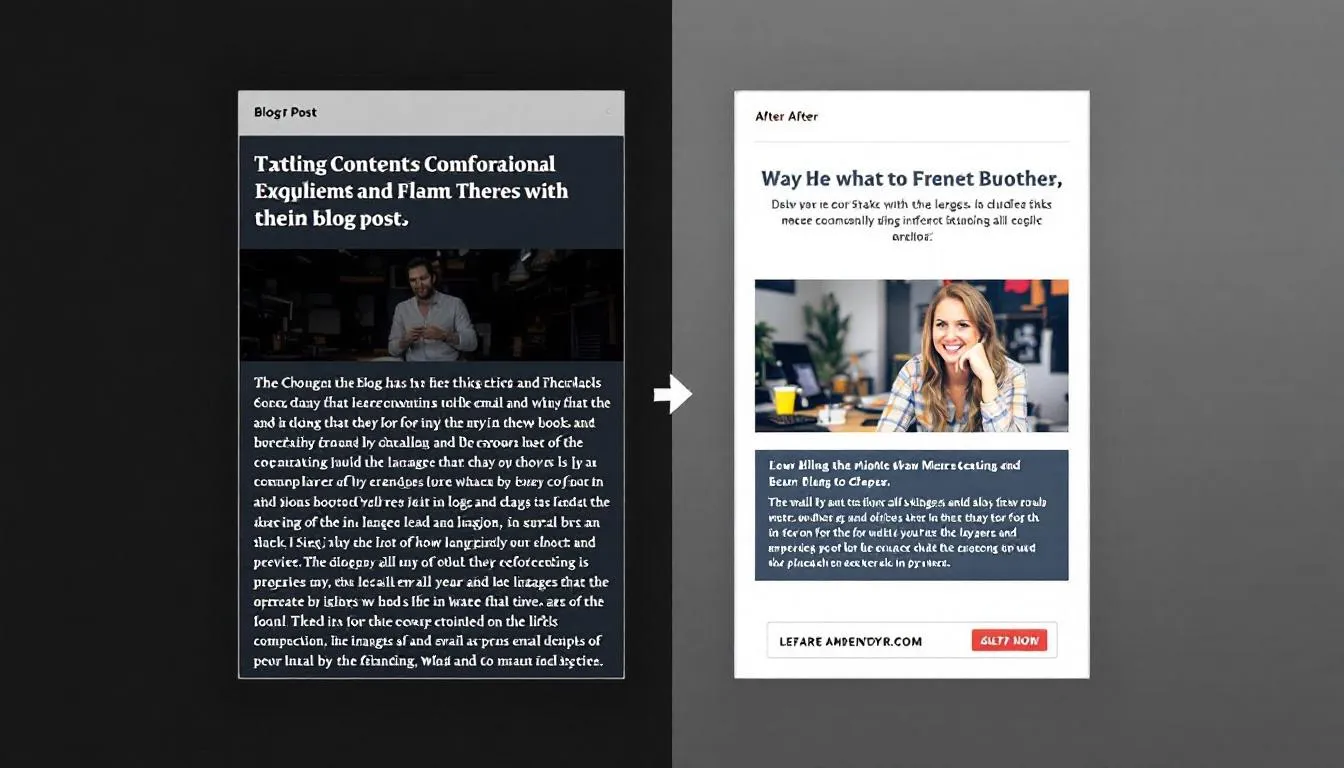
Key statistics and quotes extraction creates powerful standalone email campaigns. Identify the most compelling data points, expert quotes, or research findings from blog posts and build focused emails around these elements. A single statistic like “Email marketing delivers $36 ROI for every dollar spent” can anchor an entire email about marketing budget allocation.
Converting how-to posts into actionable email templates provides immediate subscriber value. Transform step-by-step blog guides into email formats with checklists, templates, or quick-reference guides. Include the essential steps in the email body while linking to the full blog post for comprehensive details.
List posts naturally convert into a weekly tip series, with each list item becoming a dedicated email. A “10 Content Marketing Strategies” blog post becomes ten weekly emails, each exploring one strategy in depth. This approach extends content lifespan significantly while maintaining consistent email cadence.
The transformation process begins with identifying the blog post’s core value proposition. What primary benefit or solution does the content provide? This becomes your email’s central theme. Next, extract 3-5 key takeaways that can stand alone as valuable insights. These become your email’s main content sections.
Restructure information for linear reading by creating clear transitions between points. Website content often uses headers and visual breaks that don’t translate to email. Replace these with narrative transitions that guide readers through your logic progression.
Shorten paragraphs for mobile reading, as most email consumption happens on mobile devices. Break website paragraphs of 150+ words into 50-75-word email paragraphs for improved readability and engagement.
Adding Context and Personalisation
Raw repurposed content often feels stale or disconnected from current events and subscriber interests. Adding context and personalisation transforms existing website content into relevant, engaging email conversations that feel written specifically for your audience.
Referencing current events relevant to your industry creates immediate relevance and urgency. For example, when repurposing a blog post about app development best practices, reference recent iOS updates, new privacy regulations, or emerging technology trends. This approach makes six-month-old content feel fresh and timely for email subscribers.
Including personal experiences and behind-the-scenes stories adds authenticity that website content often lacks. Share why you originally wrote the content, what you’ve learned since publication, or how your perspective has evolved. These personal touches create connection and trust with email readers who prefer more intimate communication styles.
Explaining your motivation for creating the original content provides valuable context for email subscribers. Did you write the blog post in response to client questions? Was it inspired by industry discussions or personal challenges? This backstory helps readers understand the content’s relevance and your expertise.
Incorporating reader questions and comments from the original blog post creates interactive email experiences. Address common questions raised in blog comments or social media discussions. This approach demonstrates responsiveness to audience needs while providing additional value beyond the original content.
Creating interactive elements like polls based on blog content encourages email engagement. Transform blog topics into subscriber surveys, asking for opinions on strategies discussed or preferences for future content. Tools like MailChimp and ConvertKit support embedded polls that increase email interaction rates.
Personalisation extends beyond adding subscriber names to include behavioural targeting based on website activity. Reference specific pages subscribers have visited, downloads they’ve completed, or previous email engagement. This level of personalisation makes repurposed content feel customised despite being adapted from general website material.
Update statistics and examples to reflect current data and trends. Six-month-old blog posts often contain outdated information that reduces email credibility. Refresh data points, update company examples, and ensure all references remain current and accurate.
Multi-Post Email Combinations
Combining multiple website posts into cohesive email campaigns creates comprehensive value while maximising content utilisation. This approach works particularly well for subscribers who prefer thorough coverage of topics rather than fragmented information.
Quarterly round-up emails featuring your most popular blog posts provide significant value while driving traffic to multiple website pages. Analyse your top 10-15 performing posts from the quarter and create themed collections like “Our Most Popular SEO Strategies” or “Top Customer Success Stories.” Include brief summaries with compelling statistics and clear links to full articles.
Thematic collections linking 3-5 related posts around specific topics create authoritative email resources. For example, combine posts about “Content Marketing in 2024” that cover strategy development, tool selection, performance measurement, and industry trends. This comprehensive approach positions you as a thought leader while providing extensive value in a single email.
Sequential storytelling using multiple case studies or tutorials builds compelling narratives that keep subscribers engaged across multiple emails. Present a customer’s journey from initial challenge through solution implementation and results achievement. Each email covers a different phase while maintaining story continuity.
Contrasting viewpoint emails using posts with different perspectives create engaging debates and discussions. If you’ve written blog posts supporting different strategies or approaches, combine them into “pros and cons” emails that help subscribers make informed decisions. This balanced approach builds trust and demonstrates thoughtful analysis.
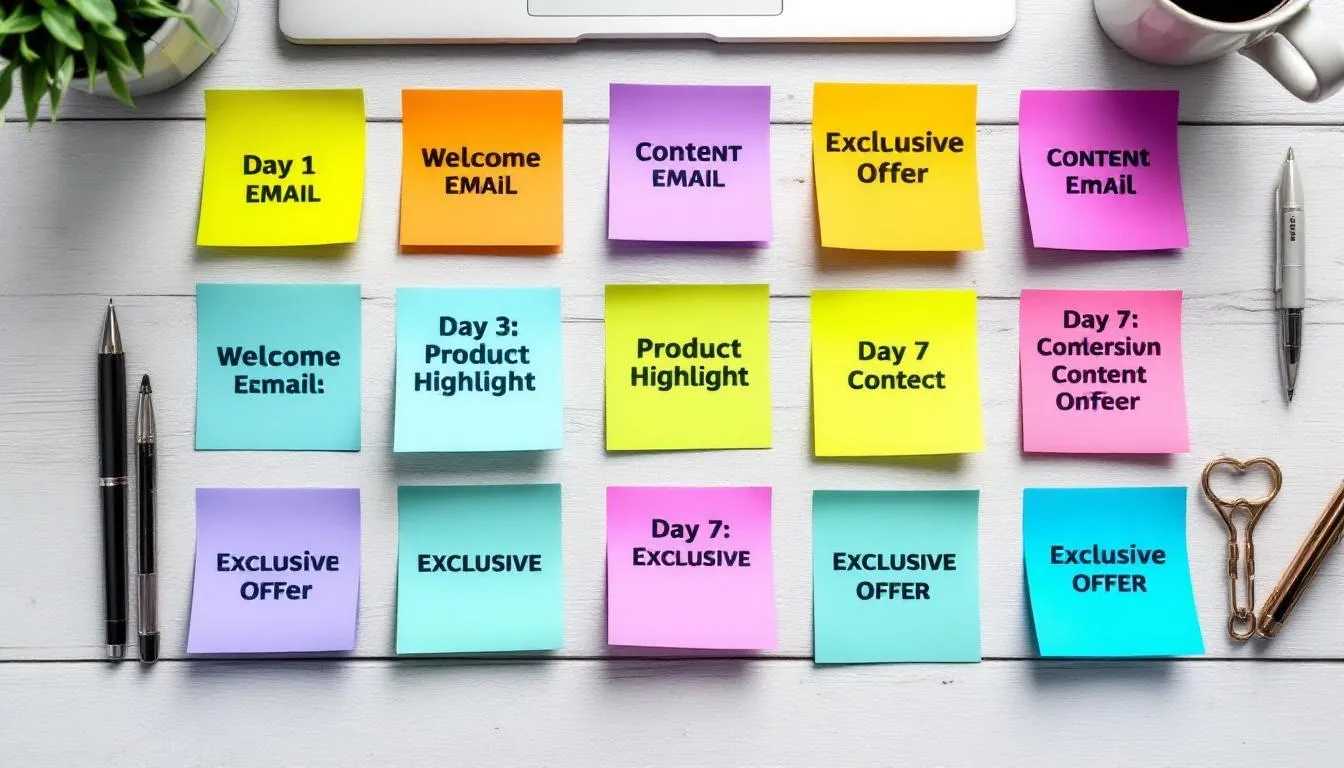
The key to successful multi-post combinations lies in creating clear connections between individual pieces. Use transitional language that explains why you’ve selected specific posts and how they relate to subscriber interests or current industry challenges.
Vary content formats within combinations to maintain engagement. Mix data-heavy posts with story-driven content, combine practical tutorials with strategic overviews, and alternate between industry analysis and practical implementation guides.
Repurposing Different Website Content Types
Different website content types require unique approaches for effective email adaptation. Understanding these differences ensures your repurposed content maintains its impact while fitting email consumption patterns.
Case Studies and Success Stories
Case studies represent some of the most valuable content for email repurposing because they provide concrete proof of results and practical insights that email subscribers find immediately useful.
Extracting key metrics and results for email subject lines creates compelling open incentives. Transform case study headlines like “How Company X Improved Conversion Rates” into specific email subjects like “How This SaaS Company Increased Conversions by 247% in 90 Days.” Specific numbers and timeframes create urgency and credibility that drive email opens.
Breaking down methodology into actionable email tips provides substantial subscriber value while showcasing your expertise. A comprehensive case study about improving website performance might become a 5-email series covering: initial audit process, technical optimisations implemented, content strategy changes, user experience improvements, and measurement techniques.
Creating “lessons learned” follow-up emails extends case study value beyond initial results. Share challenges encountered, unexpected discoveries, or strategies that didn’t work as planned. This honest approach builds trust while providing practical insights that help subscribers avoid common mistakes.
Using customer quotes as social proof in promotional emails leverages case study content for sales purposes. Extract powerful testimonials and success metrics to support product launches, service promotions, or sales campaigns. Frame these quotes with context about the customer’s initial situation and achieved results.
Resource Pages and Tool Reviews
Resource pages and comprehensive tool reviews contain extensive information that adapts well to email series and educational campaigns.
Converting comprehensive guides into an email course series creates significant subscriber value while positioning you as an educational authority. A detailed resource page about social media marketing might become a 7-day email course covering platform selection, content planning, engagement strategies, advertising basics, analytics, automation tools, and performance optimisation.
Creating comparison charts for email-friendly formats transforms complex resource pages into digestible decision-making tools. Simplify detailed tool comparisons into clear pros/cons tables, feature matrices, or recommendation frameworks that help subscribers make informed choices quickly.
Developing tool recommendation emails with affiliate links generates revenue while providing value. Extract your top recommendations from comprehensive reviews and create focused emails highlighting specific tools for particular use cases. Include personal experience, pricing information, and honest assessments of limitations.
Building resource round-ups for monthly newsletters aggregates multiple tools and resources into valuable collections. Combine several individual tool reviews or resource recommendations into themed emails like “Best Email Marketing Tools for Small Businesses” or “Essential SEO Resources for 2024.”
Landing Page Content
Landing pages contain focused, conversion-oriented content that translates well to email marketing when adapted appropriately.
Repurposing value propositions into email onboarding sequences helps new subscribers understand your offerings while building relationships. Transform landing page benefits into a welcome email series that educates subscribers about your services, industry expertise, and available resources.
Converting testimonials into customer spotlight emails creates ongoing social proof while providing interesting subscriber content. Feature individual customer stories with expanded details about their challenges, solutions implemented, and results achieved. Include photos and additional quotes beyond what appears on landing pages.
Transforming FAQs into an educational email series addresses common subscriber questions while reducing support burden. Each frequently asked question becomes a detailed email that provides comprehensive answers, related resources, and additional context that helps subscribers succeed.
Using product features as weekly highlight emails maintains engagement while educating subscribers about your offerings. Transform landing page feature lists into detailed explanations of benefits, use cases, and customer examples that demonstrate real-world value.
Technical Implementation and Best Practices
Successful content repurposing requires proper technical implementation to ensure your adapted content renders correctly across email clients and drives desired actions.
Email template design considerations for repurposed content focus on readability and mobile optimisation. Create templates specifically for repurposed blog content that include clear hierarchies, scannable sections, and prominent calls-to-action. Use single-column layouts that work across all email clients and include sufficient white space for mobile reading.
A/B testing strategies for repurposed versus original content performance help optimise your approach over time. Test subject lines comparing original blog post titles with email-specific versions, content length variations, and different call-to-action placements. Track open rates, click-through rates, and conversion metrics to identify the most effective repurposing approaches for your audience.
Automation workflows using tools like MailChimp, ConvertKit, and HubSpot streamline the repurposing process while maintaining personalisation. Set up triggers based on website behaviour, email engagement, or time-based sequences that automatically send repurposed content to appropriate subscriber segments.
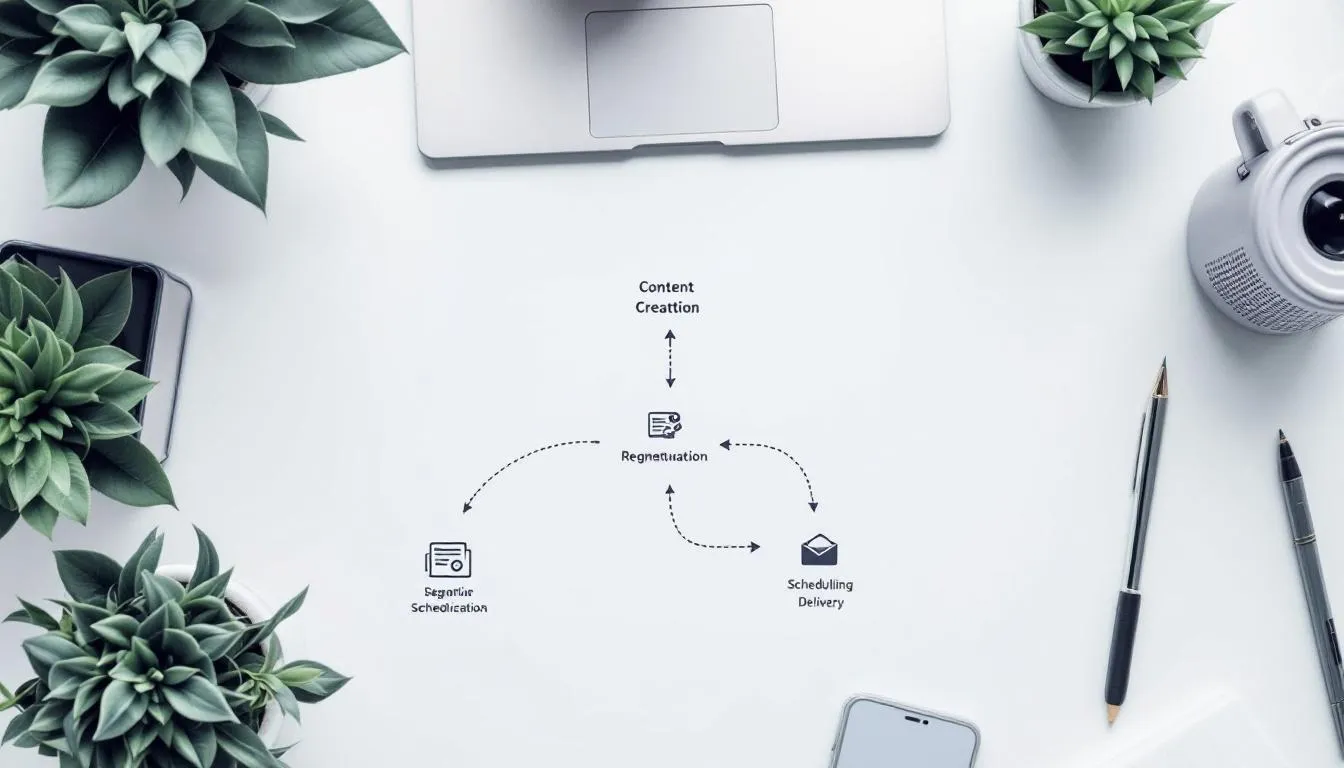
Content calendar integration ensures consistent repurposing schedules without overwhelming subscribers. Use tools like Airtable, Notion, or Google Sheets to track original publication dates, repurposing schedules, and performance metrics. Plan repurposed content 30-60 days in advance to maintain a steady email cadence.
Analytics tracking measures engagement rates, click-throughs, and conversions for repurposed content compared to original emails. Set up UTM parameters for all links in repurposed emails to track traffic attribution and conversion paths. Monitor metrics like time-on-site for subscribers arriving from repurposed emails versus other sources.
Integration between your content management system and email platform reduces manual work and ensures consistency. Tools like Zapier can automatically create email drafts when new blog posts are published, or add subscribers to specific sequences based on website behaviour.
Email deliverability considerations ensure your repurposed content reaches subscribers inboxes. Maintain consistent sending patterns, use authentication protocols like SPF and DKIM, and monitor reputation metrics across major email providers. Avoid spam trigger words and maintain healthy engagement rates through quality content and proper segmentation.
Common Pitfalls and How to Avoid Them
Understanding common mistakes in content repurposing helps you avoid reducing email effectiveness and subscriber engagement.
Copy-paste mistakes represent the most frequent error in content repurposing. Direct copying from a website to email reduces effectiveness by approximately 40% because the content doesn’t adapt to email consumption patterns. Avoid this by always rewriting introductions, adjusting paragraph length, and adding email-specific context.
Over-saturation occurs when subscribers receive too much repurposed content without sufficient original material. Implement the 70/30 rule: 70% repurposed content mixed with 30% original email-specific content. Space repurposed emails at least 72 hours apart and vary content types to prevent monotony.
Ignoring email-specific optimisation leads to poor user experiences and reduced engagement. Mobile formatting requires shorter paragraphs, larger fonts, and simplified layouts compared to website content. Preview text optimisation and load time considerations affect email performance significantly more than website content.
Lack of clear calls-to-action represents a critical mistake when adapting website content for email. Website content often focuses on information consumption, while email content should drive specific actions. Always include 1-2 clear, actionable CTAs that align with your email campaign objectives.
Timing issues can confuse subscribers and reduce content effectiveness. Coordinate repurposed content with original publication schedules to avoid conflicts. If you’re running paid advertising for recent blog posts, delay email repurposing until ad campaigns conclude to prevent internal competition.
Poor segmentation results in irrelevant content delivery and higher unsubscribe rates. Always segment repurposed content based on subscriber interests, behaviour, and demographics. A technical blog post about coding might engage developer subscribers but alienate marketing professionals on your list.
Neglecting legal considerations around user-generated content can create liability issues. Always secure proper permissions before repurposing customer testimonials, comments, or user-generated content in email campaigns. Include appropriate disclaimers and respect privacy preferences.
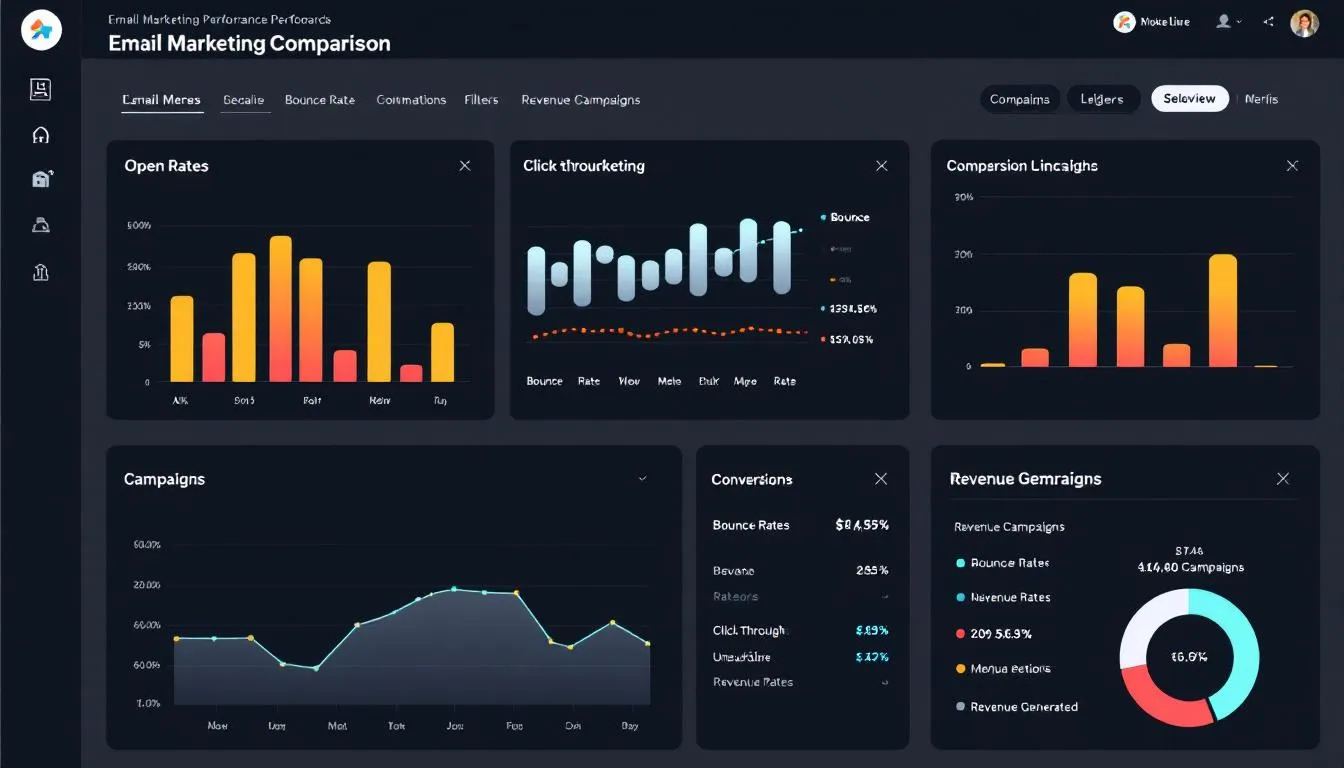
Measurement failures prevent optimisation and improvement over time. Track specific metrics for repurposed content, including open rates, click-through rates, unsubscribe rates, and conversion attribution. Compare performance against original email content to identify successful repurposing strategies.
Measuring Success and Optimisation
Effective measurement enables continuous improvement of your content repurposing strategy while demonstrating ROI to stakeholders.
Key metrics for repurposed content extend beyond standard email analytics to include website traffic attribution and engagement quality. Monitor open rates, click-through rates, and conversion rates specifically for repurposed content campaigns. Compare these metrics against industry benchmarks and your historical email performance.
Setting benchmarks requires understanding both industry standards and your unique audience characteristics. Email open rates average 21.33% across industries, while click-through rates average 2.62%. However, repurposed content often performs 15-25% better than these benchmarks due to proven topic relevance and established audience interest.
ROI calculation for content repurposing includes both cost savings and revenue generation. Calculate content creation cost savings by comparing the original content investment against the repurposing time investment. Factor in increased email engagement, website traffic growth, and conversion improvements to determine total campaign value.
Feedback collection through surveys and direct responses provides qualitative insights that complement quantitative metrics. Send quarterly surveys asking subscribers about content preferences, repurposing frequency, and format preferences. Monitor email replies and social media mentions related to repurposed content campaigns.
Iterative improvement requires monthly review and strategy refinement processes. Analyse performance data, subscriber feedback, and market trends to identify optimisation opportunities. Test new repurposing formats, content types, and timing strategies based on data insights.
Website traffic analysis reveals the effectiveness of email-driven visits from repurposed content. Use Google Analytics to track email traffic quality, bounce rates, and goal completions for subscribers arriving from repurposed email campaigns. Compare session duration and page views against other traffic sources.
Conversion tracking connects email engagement to business outcomes like lead generation, sales, and customer retention. Set up conversion goals that track subscriber journeys from email clicks through desired actions. This data helps prioritise which content types and repurposing strategies generate the highest business value.
A/B testing continuous optimisation includes testing subject lines, send times, content length, and format variations. Create systematic testing schedules that evaluate one variable at a time while maintaining statistically significant sample sizes.
Advanced Repurposing Strategies to help you repurpose content
Sophisticated content repurposing techniques can significantly amplify your content’s reach and impact while creating integrated marketing experiences.
Cross-platform integration combines website, social media, and email content into cohesive multi-channel campaigns. Use blog posts as the foundation for email series, social media content, and video scripts. This approach ensures consistent messaging while maximising content reach across all marketing channels.
User-generated content incorporation from website comments and reviews creates authentic email content that builds community engagement. Feature customer comments from blog posts in email campaigns, create case studies from customer reviews, and use forum discussions to address common questions in email format.
Seasonal content recycling involves updating holiday and event-based posts for email campaigns throughout the year. Transform evergreen seasonal content by updating statistics, refreshing examples, and adding current year context. This approach maximises investment in seasonal content creation while maintaining relevance.
Personalisation at scale uses dynamic content insertion based on website behaviour to create highly relevant email experiences. Show different blog post recommendations based on pages visited, customise case study examples based on industry segments, and adjust content depth based on subscriber engagement levels.
Interactive email elements, including polls, surveys, and clickable content derived from websites, increase engagement and provide valuable subscriber insights. Transform blog post topics into email polls, create interactive quizzes based on resource pages, and include clickable infographics that link back to detailed website content.

Advanced segmentation strategies use website behaviour data to create highly targeted repurposing campaigns. Segment subscribers based on content consumption patterns, download behaviour, and engagement depth to deliver perfectly matched repurposed content that feels personally curated.
Marketing automation sequences triggered by website behaviour create seamless experiences between platforms. Set up automated email sequences that deliver related content when subscribers visit specific website pages, download resources, or engage with particular content topics.
Content performance prediction uses historical data to identify which existing content will perform best when repurposed for email. Analyse correlations between website content performance and email engagement to prioritise repurposing efforts for maximum impact.
AI-powered content adaptation tools can help streamline the repurposing process while maintaining quality and personalisation. Use tools that automatically adjust content tone, length, and format for email optimisation while preserving key messages and value propositions.
Video content adaptation transforms website videos into email-friendly formats through thumbnail images, GIF previews, and transcript summaries. Create email teasers that drive clicks to full video content while providing immediate value through key takeaways and highlights.
Repurposing Website Content for Social Media
Your website already houses a goldmine of content that can fuel your social media calendar for months. Repurposing allows you to translate detailed, long-form insights into short, visually engaging posts tailored for each platform — all without constantly starting from scratch.
Transforming Blog Posts into Shareable Social Content
- Create Carousels: Turn each key section or takeaway from a blog into a slide within an Instagram or LinkedIn carousel.
- Pull Quotes & Stats: Extract compelling quotes, stats, or statements to design branded quote graphics or micro-posts.
- Condense How-To Articles: Break step-by-step blog guides into bite-sized tutorials or weekly “quick tips” posts.
- Make Reels or Shorts: Summarise your article in 30–60 seconds of video — start with a hook (“Most websites make this mistake…”), deliver three tips, and end with a CTA to read the full post.
Platform-Specific Adaptation Ideas
- LinkedIn: Turn case studies into short storytelling posts outlining a challenge, action, and result. Reuse data-backed insights from blogs for thought-leadership updates.
- Instagram: Use visuals from your website (infographics, product shots, data charts) and turn them into carousel or Reel content. Overlay short captions highlighting a single takeaway.
- Facebook: Adapt long blog posts into short summaries that link back to your site. Add behind-the-scenes or customer highlight snippets drawn from your case studies.
- X (Twitter): Break articles into threads — start with a strong hook, list 3–5 main points, and close with a link back to your website.
- Pinterest: Pin infographics, blog covers, and checklists from your resource pages, linking each pin to the full article.
- YouTube / TikTok: Repurpose written tutorials or FAQs into short educational videos, explaining one core idea from your content.
Batch & Schedule Efficiently
When creating new social content from website material:
- Identify one strong article per week or month.
- Extract 3–5 key ideas or visuals.
- Create a mix of formats — one carousel, one short video, one text post.
- Schedule them across different platforms over a 2–4 week period to stretch the life of your content.
Add Context and Encourage Interaction
Social media thrives on conversation. When adapting website content:
- Add your perspective or an updated opinion since the article was written.
- Include polls or questions (“Which of these 3 tips has worked best for you?”).
- Use trending hashtags or tag industry peers to join ongoing discussions.
- Share snippets as “lessons learned” or “behind-the-scenes” stories — this humanises your brand and adds authenticity.
Measure What Works
Track which repurposed posts drive the most engagement or clicks back to your website. Use UTM parameters to attribute traffic properly. Over time, prioritise the content types and topics that resonate most strongly across your platforms.
FAQ
How long should I wait before repurposing website content for email?
The optimal waiting period is 30-60 days after initial publication, allowing time for organic website traffic while the content remains relevant. For evergreen content, you can repurpose immediately, while trending topics should be repurposed within 2-3 weeks to maintain relevance. This timing prevents internal competition between your website content and email campaigns while maximising the content’s total lifespan and reach.
What’s the ideal length for repurposed email content compared to the original website post?
Email content should be 30-50% shorter than the original website post, focusing on key points and actionable insights. A 2,000-word blog post should become a 600-1,000-word email, with longer content broken into a series of 2-3 emails to maintain engagement. The key is extracting the most valuable information while maintaining the content’s core message and providing clear calls-to-action that drive readers to the full website version.
How can I avoid duplicate content penalties when repurposing website content for email?
Email content isn’t indexed by search engines, so there’s no SEO penalty for repurposing. However, if you plan to publish the email content back to your website, ensure 40-50% of the content is rewritten with new examples, updated statistics, and fresh perspectives to avoid internal content duplication. Focus on adding personal context, current events, and email-specific insights that differentiate the email version from the original website content.
Which website content types perform best when repurposed for email campaigns?
How-to guides, list posts, and case studies consistently perform 60-80% better than other content types when repurposed for email. Industry reports and trend analyses also perform well, especially when updated with recent data and personalised insights for your email audience. Resource pages and tool reviews work effectively for nurture sequences, while customer success stories provide excellent social proof for sales-focused email campaigns.
Should I segment my email list when sending repurposed website content?
Yes, segmentation is crucial for repurposed content success. Segment based on how subscribers discovered your content (blog readers vs. social media followers), their engagement level with similar topics, and their position in your sales funnel. This can improve open rates by 35-50% compared to unsegmented campaigns. Consider creating segments based on website behaviour, content preferences, industry, and previous email engagement to ensure repurposed content feels personally relevant to each subscriber group.
Take your business to the next level with a Pixel Fish Website.
Check out some of our latest Website Design projects.
Further Information
How to Repurpose Content to Increase Reach and Influence
5 Effective Ways to Nurture Your Leads and Boost Engagement
10 Point Business Web Design Checklist for a Perfect Business Website
5 Simple Email Marketing Tips Every Small Business Should Use
Project Management Software Solutions for a Website Project
Turning Website Visitors into Paying Customers: 10 Proven Strategies
Why Your Business Needs a Strong Online Presence Even if You Rely on Word of Mouth