How Often Should You Post on Social Media: A Complete Guide

Dec 22, 2025 | Social Media

Reading Time: 11 minutes
Kevin Fouche

How Often Should You Post on Social Media: A Complete Guide

Posted by Kevin Fouche, Pixel Fish Director

Kevin handles the planning, design, launch and training of every website that Pixel Fish creates. He ensures that every website is highly engaging and aligned with our client’s goals. With over 20 years of design and web industry experience to draw upon, Kevin aims to pass on his knowledge to our clients and like-minded businesses wanting to grow their online presence.

In short:

Social media success comes from consistency—not chaos. This guide helps businesses find the right posting frequency for each platform, balancing visibility with quality. You’ll learn that less can be more when posts are meaningful and data-driven.

Key recommendations include:
• Instagram: 3–5 posts per week; TikTok: daily
• Facebook & LinkedIn: 1–2 posts per day
• X (Twitter): 2–5 daily updates for best reach
• Prioritising sustainable schedules and engagement metrics

By testing and refining your posting rhythm, you’ll maintain audience connection without burning out your team.

Posting Strategy Key Takeaways

  • Instagram performs best with 3-5 posts per week, while TikTok benefits from daily posting (1-4 times per day)
  • Facebook and LinkedIn require only 1-2 posts daily, but X (Twitter) needs 2-5 posts daily to stay relevant.
  • Quality content consistently outperforms high-frequency, low-value posts across all platforms.
  • Small businesses should prioritise sustainable posting schedules that they can maintain long-term over aggressive daily targets
  • Testing and monitoring audience engagement metrics is essential to finding your brand’s optimal posting frequency.

The question of how often you should post on social media has become one of the most debated topics among social media managers and business owners in 2025. With algorithm changes constantly reshaping how content gets distributed and discovered, finding the sweet spot for posting frequency can feel like solving a moving puzzle.

Research shows that businesses that maintain consistent posting schedules see twice the engagement as those who post irregularly. However, the optimal posting frequency varies dramatically across social media platforms, with each requiring a unique approach based on user behaviour, algorithm preferences, and content consumption patterns.

In this comprehensive guide, we’ll break down the exact posting frequencies that drive results on each central social media platform, helping you develop a sustainable social media strategy that maximises engagement without burning out your content creation team.

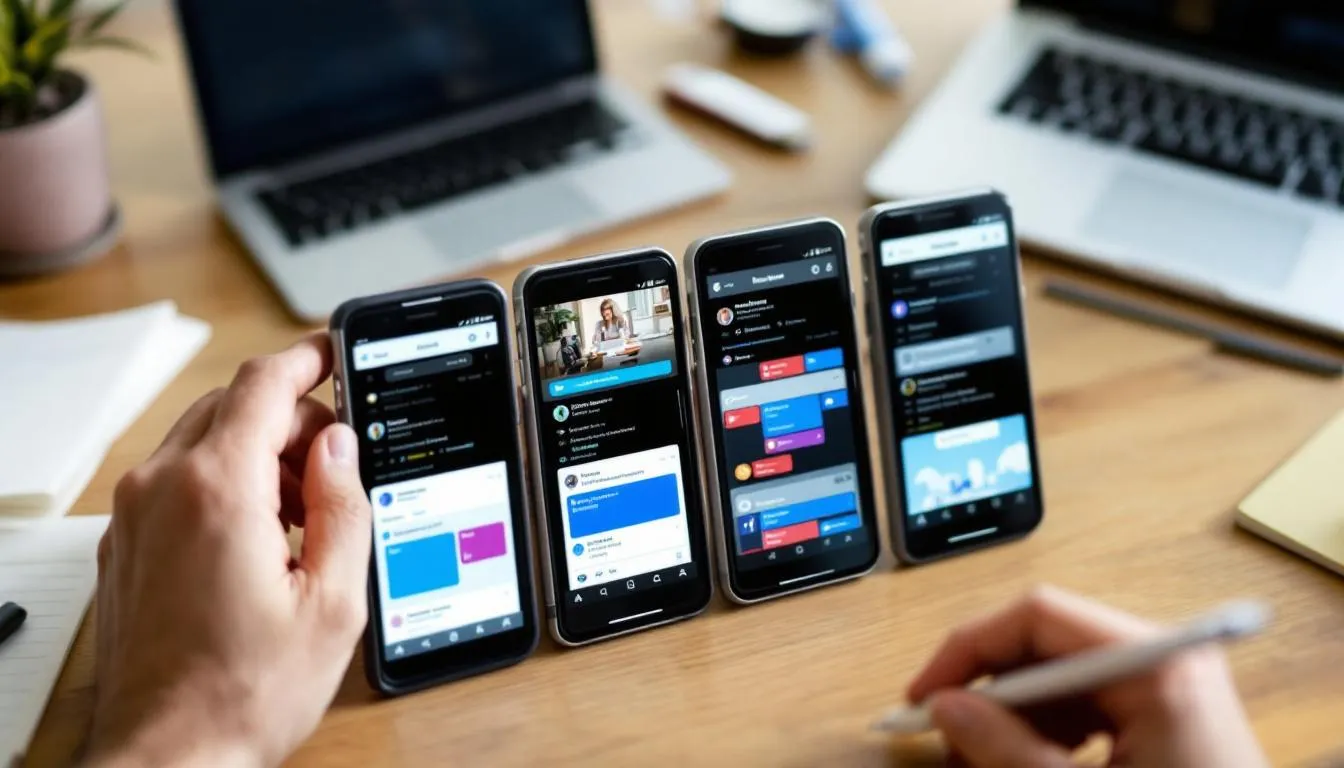
The image features multiple smartphone screens, each showcasing different social media platforms along with their respective posting schedules. These screens illustrate various posting strategies and frequencies, highlighting the importance of a social media management tool for effective content planning and engagement with the target audience.

Platform-Specific Posting Frequency Guidelines

Each social media platform has distinct audience behaviours and algorithm preferences that directly affect how often you should post. What works perfectly on TikTok could overwhelm your LinkedIn audience, while a successful Facebook strategy might leave your Instagram account invisible in the explore feed.

The days of applying a one-size-fits-all approach across all social media channels are long gone. In 2025, successful social media posting requires understanding each platform’s unique ecosystem and tailoring your posting strategy accordingly.

These recommendations are based on 2025 data from leading social media management platforms, direct guidance from platform creators, and analysis of high-performing business accounts across various industries.

Instagram Posting Frequency

Instagram’s algorithm rewards consistent, high-quality content creators with increased visibility in both the main feed and explore feed. The optimal posting frequency for Instagram is 3-5 feed posts per week, with a mix of carousels, reels, and static posts to keep your content fresh and engaging.

Buffer’s comprehensive data analysis reveals that posting between three and five times weekly can more than double your follower growth rate compared to posting only once or twice per week. Additionally, this posting frequency can boost your reach per post by approximately twelve per cent compared to baseline performance.

For Instagram Stories, aim for 1-2 daily stories as recommended by Instagram’s hea,d Adam Mosseri. Stories help maintain visibility with your existing audience and can improve your overall algorithmic performance, though they’re not ideal for reaching new audiences through search results.

Regular posting significantly increases your chances of appearing in the explore feed and search results, underscoring the importance of consistency for organic growth. For most businesses, 6-7 high-quality posts weekly represents the sweet spot that balances growth potential with sustainable content creation.

Adding 2-3 Reels per week to your posting schedule can produce a noticeable bump in reach beyond what standard feed posts generate, as Instagram’s algorithm particularly favours short-form video content in 2025.

Facebook Best Posting Frequency

Facebook’s algorithm prioritises meaningful interactions over posting volume, making quality significantly more important than quantity on this social media platform. The optimal frequency for Facebook is 1-2 posts per day to maintain presence without overwhelming your followers.

Facebook’s organic reach has declined to under 1% average engagement for most business posts, making each post’s quality critical for success. Research consistently shows that two excellent posts per week will outperform daily mediocre content in terms of engagement, reach, and audience growth.

For pages under 10,000 followers, posting once d,aily maximum is recommended to avoid audience fatigue. The platform’s algorithm tends to suppress accounts that post too frequently, particularly if those posts receive low engagement rates.

The best time to post on Facebook falls between twelve and three PM, with additional optimal windows from nine AM to twelve PM and six to nine PM. Saturday has been identified as the best day to post on Facebook, likely because people have more leisure time for content consumption.

Facebook’s emphasis on community engagement and longer content lifespan means that fewer, more thoughtful posts typically generate better results than frequent, quick updates that work well on other social media platforms.

TikTok Posting Frequency

TikTok’s discovery-driven algorithm requires the highest posting frequency among major social platforms. TikTok officially recommends 1-4 posts daily for maximum visibility and growth potential on the platform.

For businesses just starting on TikTok, a realistic posting schedule of 3-5 times per week provides a sustainable entry point while still taking advantage of the platform’s growth opportunities. TikTok’s algorithm prioritises fresh content and user engagement, meaning frequent posting helps test content effectiveness and reach larger audiences.

The platform’s For You page discovery mechanism means that posting volume can significantly boost your chances of viral content discovery by new audiences beyond your existing followers. Unlike other social media channels where following determines feed content, TikTok’s algorithm-driven discovery creates opportunities for rapid audience growth through consistent posting.

Quality remains crucial even on TikTok’s high-volume platform. Content must remain authentic and quick-hitting to match TikTok’s native content style while maintaining the production value that captures attention in a crowded feed.

Three quality videos daily represents the upper limit for most businesses, balancing growth potential with content creation capacity and avoiding creator burnout that can hurt long-term performance.

X (Formerly Twitter) Posting Frequency

X (formerly Twitter) requires 2-5 posts daily to match the platform’s fast-paced, real-time nature. Tweet relevance decreases by approximately 50% every six hours, necessitating frequent posting to maintain visibility in followers’ feeds.

The platform’s chronological timeline structure means content quickly gets buried by new posts, making consistent daily posting essential for maintaining an active presence. Most successful business accounts post 2-3 quality tweets daily rather than overwhelming followers with excessive content.

A strategic approach involves following the rule of thirds: balancing promotional content, engaging content like polls or questions, and conversational content that encourages interaction. This content mix helps maintain audience interest while avoiding the perception of being overly promotional.

Some power users post 50-100 times a day, but for most businesses, 2-3 quality posts are enough to stay active without draining resources or overwhelming audiences. Short, engaging updates, polls, and retweets of your own content can help keep your brand visible without appearing spammy.

The optimal posting hours on X are between nine AM and eleven AM, likely capturing morning commutes and early work hours when users frequently check their social media feeds.

LinkedIn Posting Frequency

LinkedIn operates at a distinctly professional pace, requiring a more measured posting approach. The optimal frequency for LinkedIn is 1-2 posts daily, with a focus on weekday mornings when professional audiences are most active.

Companies posting weekly see 2x the engagement of those who post sporadically, underscoring the importance of consistency for LinkedIn success. However, LinkedIn content has a longer lifespan due to professional network behaviour, allowing posts to accumulate engagement over several days.

LinkedIn specifically recommends publishing at least once per month to gain followers, though weekly posting is a more effective minimum for meaningful growth. Up to 18 weekly posts are acceptable if content remains relevant and valuable to your professional network.

The platform rewards thought leadership content and native documents that provide genuine value to professional audiences. Spacing out posts helps them “breathe” in LinkedIn’s slower-moving feed, allowing each piece of content adequate time to accumulate engagement.

Weekday focus reflects LinkedIn’s connection to professional work schedules, with Tuesday through Thursday typically generating the highest engagement rates for business content.

YouTube Posting Frequency

YouTube’s algorithm favours consistent creators, making daily posting ideal for rapid growth, though weekly uploads remain acceptable for most content creators and businesses. The platform prioritises consistency over frequency, meaning regular weekly uploads often outperform sporadic daily posting attempts.

For YouTube Shorts, you can post up to 3 daily without exceeding platform notification limits or overwhelming subscribers. The Shorts algorithm operates independently from regular video content, allowing for higher frequency short-form content alongside regular video uploads.

Research shows minimal performance difference between posting 3x weekly versus 5x daily for most channels, suggesting that quality and consistency matter more than pure volume. The platform’s recommendation algorithm rewards creators who maintain predictable upload schedules over extended periods.

Content creation capacity often determines optimal posting frequency more than algorithmic preferences. Sustainable posting schedules that maintain content quality over months and years produce better long-term results than ambitious frequencies that lead to creator burnout.

YouTube’s search-driven discovery means that older content continues generating views for months or years, making consistent quality more valuable than frequent posting of mediocre content.

Pinterest Posting Frequency

Pinterest’s unique content longevity significantly influences posting strategy. The minimum effective posting frequency is once weekly, though successful accounts typically post more frequently while focusing on quality over quantity.

Power users can post 15-25 pins daily, but posting over 50 daily pins can actually hurt distribution according to Pinterest’s algorithm guidelines. The platform’s search-driven nature means that content quality and relevance matter more than posting volume.

Pinterest content enjoys an exceptionally long shelf life, with pins remaining visible and driving traffic for weeks to months after posting. This extended visibility means that fewer, high-quality pins often outperform frequent posting of mediocre content.

Fresh, original pins consistently outperform reposts for traffic generation, making content creation more important than content curation for business success. Focus on creating pins that provide genuine value and solve specific problems for your target audience.

The platform’s visual search capabilities mean that well-optimised, high-quality pins can continue generating traffic and engagement long after their initial posting date, making sustainable posting schedules more important than aggressive daily targets.

The image depicts a content calendar that outlines various posting schedules for different social media platforms, highlighting optimal posting frequency and strategies for social media managers to engage their target audience effectively. It visually represents the ideal times to post on social media to maximize engagement and maintain a consistent presence across channels.

Factors That Influence Your Ideal Posting Frequency

Your optimal posting frequency depends on several factors beyond platform-specific recommendations. Understanding these variables helps you develop a social media strategy that aligns with your business goals and available resources.

Audience size significantly impacts ideal posting frequency, with larger audiences typically tolerating higher posting frequencies than smaller, more intimate communities. Enterprise accounts with hundreds of thousands of followers can post more frequently than small businesses with a few thousand engaged followers.

Industry type creates substantial differences in posting expectations. B2B companies typically post less frequently than B2C brands, reflecting different content consumption patterns and decision-making timelines. Professional service businesses often succeed with lower frequencies and higher-value content, while entertainment brands may require more frequent posting to maintain audience attention.

Content creation resources and team capacity represent practical limitations that should guide posting frequency decisions. Attempting to maintain unsustainable posting schedules leads to declining content quality, team burnout, and ultimately worse performance than more modest, sustainable frequencies.

Business goals also influence optimal posting frequency. Brand awareness campaigns may benefit from higher frequencies to maximise visibility, while lead generation efforts might prioritise fewer, higher-quality posts that drive meaningful engagement and conversions.

Geographic location and timezone considerations become crucial for global audiences. Brands serving international markets may need to post more frequently to maintain visibility across different time zones and cultural content consumption patterns.

How to Determine Your Optimal Posting Schedule

Finding your brand’s ideal posting frequency requires systematic testing and data analysis rather than relying solely on industry benchmarks. Start with platform-recommended frequencies, then adjust based on your specific audience response and performance metrics.

Use analytics tools to track engagement rates, reach, and audience growth across different posting frequencies. Look for patterns in your data that indicate when your audience is most active and responsive to your social media content.

Monitor posting times when your specific audience demonstrates the highest activity levels. While general best practices provide starting points, your unique audience may have different peak engagement windows based on demographics, industry, and geographic location.

A/B test different posting frequencies over 4-6 week periods to gather statistically significant data. Compare metrics like engagement rate, reach per post, and follower growth across different frequency periods to identify your optimal posting rhythm.

Focus on sustainable schedules that your team can maintain consistently over months and years. Short-term frequency boosts that lead to creator burnout and inconsistent posting ultimately harm long-term performance across all social media platforms.

Track leading indicators like engagement rate and reach alongside lagging indicators like follower growth and website traffic to understand the full impact of your posting frequency decisions.

Content Quality vs Quantity: The 2025 Reality

Algorithm changes across all major social media platforms in 2025 favour engagement over posting frequency. Platforms increasingly prioritise content that generates meaningful interactions, comments, and shares rather than rewarding accounts simply for posting frequently.

Examples of brands succeeding with lower frequency but higher quality content abound across all platforms. Companies posting 2-3 exceptional pieces weekly often outperform competitors posting daily mediocre content in terms of reach, engagement, and business results.

Batch content creation helps maintain quality while meeting posting frequency goals. Creating multiple pieces of content in focused sessions allows for better planning, higher production values, and more strategic content distribution across your posting schedule.

Warning signs that you’re posting too frequently include declining engagement rates, increased unfollows, reduced reach per post, and team burnout from unsustainable content creation demands. Monitor these metrics closely to avoid overposting. High-quality content that provides genuine value to your target audience will always outperform frequent posting of promotional or low-value content. Focus on creating content that educates, entertains, or inspires your audience rather than simply maintaining arbitrary posting frequencies.

The most successful social media accounts in 2025 prioritise content that encourages audience interaction and engagement rather than passive consumption, regardless of posting frequency.

The image depicts a person focused on creating high-quality content at a well-organized workspace, equipped with professional tools and technology. This setting emphasizes the importance of engaging content and effective social media strategies for reaching a specific audience.

Social Media Scheduling Tools and Best Practices

Popular social media management tools like Hootsuite, Buffer, and Sprout Social offer sophisticated scheduling capabilities that help maintain optimal posting frequencies without requiring constant manual attention. These platforms provide analytics to track performance across different posting schedules and automate content distribution across multiple social media channels.

Platform-native scheduling features like Instagram Creator Studio and Facebook Business Suite provide free alternatives for businesses managing fewer social media accounts. These tools offer the advantage of direct platform integration and access to the latest features as they’re released.

Maintaining authenticity while using automated posting requires careful attention to timing, content selection, and community engagement. Schedule content for optimal posting times while remaining available to respond to comments and engage with your audience in real time.

Creating content calendars that align with optimal posting frequencies helps ensure consistent, strategic content distribution. Plan content themes, posting times, and frequency targets in advance to maintain quality while meeting your posting schedule goals.

Monitor scheduled post performance and make real-time adjustments to your posting strategy based on audience response and engagement patterns. Successful social media posting requires flexibility to adapt to trending conversations and unexpected opportunities for audience engagement.

Use scheduling tools to maintain a consistent presence during business hours, weekends, and holidays when manual posting might be impractical. This consistency helps maintain algorithmic favour and audience engagement even during periods when you’re not actively managing your social media accounts.

Content Calendar: Frequently Asked Questions

What happens if I post too frequently on social media?

Posting too frequently can lead to audience fatigue, decreased engagement rates, and potential algorithmic suppression. Most social media platforms monitor engagement rates and may reduce the visibility of accounts that consistently post content with low interaction rates. Additionally, frequent posting can overwhelm your audience, leading to unfollows and reduced organic reach. It’s better to maintain a moderate, sustainable posting schedule with high-quality content than to overwhelm your audience with frequent, low-value posts.

Is it better to post less often with higher-quality content or more often with average content?

In 2025, quality consistently outperforms quantity across all major social media platforms. Algorithm changes prioritise content that generates meaningful engagement, comments, and shares rather than rewarding frequent posting alone. A single high-quality post that resonates with your audience will typically generate more reach, engagement, and business results than multiple average posts. Focus on creating valuable content that educates, entertains, or inspires your audience rather than meeting arbitrary posting frequency targets.

How do I maintain posting consistently during busy periods?

Social media management tools and scheduling platforms are essential for maintaining consistency during travel or busy periods. Batch create content during less busy times and schedule posts in advance using tools like Buffer, Hootsuite, or platform-native schedulers. Create evergreen content that remains relevant regardless of when it’s posted, and establish workflows that allow team members to handle posting responsibilities when you’re unavailable. Consider reducing posting frequency temporarily rather than compromising content quality or missing posts entirely.

Should I post the same content across all platforms or create unique content for each?

While repurposing content across platforms is efficient, each social media platform has unique audience expectations and optimal content formats. Adapt content to match each platform’s native style – what works on LinkedIn may not resonate on TikTok. Consider creating a core piece of content and adapting it for each platform’s specific requirements, audience behaviour, and optimal posting format. This approach maximises your content creation efficiency while respecting each platform’s unique characteristics.

How long should I test a new posting frequency before deciding if it’s working?

Test new posting frequencies for at least 4-6 weeks to gather statistically significant data about their impact on your performance metrics. Social media algorithms need time to adjust to new posting patterns, and audience behaviour changes may take several weeks to become apparent. Monitor key metrics like engagement rate, reach per post, and follower growth throughout the testing period. Make sure to account for external factors like holidays, industry events, or trending topics that might temporarily influence your results during the testing period.

Take your business to the next level with a Pixel Fish Website.

Check out some of our latest Website Design projects.

Further Information
Twitter Vs Facebook Vs Instagram Vs LinkedIn: Which is Right for You?
How regularly should my business publish on Social Media?
Australia’s E-Commerce Growth: It’s time to Embrace Online Selling
How to promote your business via Linkedin
Maximize Your Reach: Why Your Website Is the Perfect Partner for Your Social Media Marketing

Stand out from your competition with a Pixel Fish website!

Contact us today on 02 9114 9813 or email info@pixelfish.com.au

Small Business Website Packages   | Custom Website Design   |   Ecommerce Websites

Related Blogs

Contact Pixel Fish - Website Design Agency

Get Started with a new Pixel Fish Website

We would love to hear about your upcoming website project

Kevin Fouché, Pixel Fish Director