

Digital Presence Key Takeaways
- With 97% of consumers searching online for local businesses, having a strong digital presence is crucial for attracting customers and ensuring business continuity.
- Businesses with strong online presence see 23% higher revenue growth compared to those with weak digital footprints
- Online presence builds trust through social proof, with 88% of customers trusting online reviews as much as personal recommendations
- Digital marketing costs 62% less than traditional advertising while reaching targeted audiences more effectively
- Companies with comprehensive online strategies can expand to global markets and operate 24/7 without geographical limitations
In today’s hyper-connected world, your business’s online presence isn’t just a competitive advantage—it’s the deciding factor between thriving and merely surviving. While traditional marketing methods once dominated the business landscape, the digital age has fundamentally transformed how customers discover, evaluate, and engage with businesses.
The statistics are undeniable: 81% of consumers conduct online research before making a purchase, and 97% check a business’s online presence before visiting. This shift represents more than just changing preferences—it’s a complete transformation of the modern business landscape that small business owners can no longer afford to ignore.

Whether you’re a small business just starting out or an established company looking to expand your reach, understanding why your business needs a strong online presence is crucial for long-term success. This comprehensive guide will explore the essential components of digital presence, the benefits it brings, and the risks of neglecting your digital footprint in an increasingly connected marketplace.
What Constitutes a Strong Online Presence
A strong online presence encompasses far more than simply having a website. In the digital world, your online presence represents your business’s total digital footprint across websites, social media platforms, search engines, review sites, and content marketing channels. This comprehensive digital ecosystem has evolved significantly from the simple static websites of the early internet.
Today’s effective online presence includes several essential components. A professional, mobile-optimised website serves as your digital headquarters, while your Google Business Profile ensures local visibility in search results. Active social media accounts on platforms where your target audience spends time create opportunities for customer engagement and community building.
Online reviews across platforms like Google, Yelp, and industry-specific sites build credibility through social proof. Content marketing through blog posts, videos, and other valuable content establishes your expertise and improves search engine visibility. Email marketing campaigns maintain ongoing relationships with existing customers while nurturing potential customers through their decision-making process.
This multi-channel approach differs dramatically from traditional advertising because it allows for two-way communication, real-time feedback, and measurable results. Unlike traditional methods that interrupt customers, a strong digital presence attracts customers actively searching for your products or services, creating more qualified leads and higher conversion rates.
Customer Behaviour Has Fundamentally Shifted to Digital-First
The modern customer journey begins online in the vast majority of cases. Recent data shows that 81% of shoppers conduct thorough online research before making purchases, fundamentally changing how businesses must approach customer acquisition and retention.
Mobile usage drives this digital-first behaviour, with mobile devices accounting for 58% of all web traffic. This means your target audience is likely discovering and evaluating businesses while on the go, making mobile optimisation crucial for capturing their attention during these critical moments.

The typical customer journey now follows a predictable digital pattern. Awareness begins through search engines when customers face a problem or need. They research solutions via social media, review sites, and company websites, comparing options and reading feedback from other customers. The final decision-making process heavily weighs online reputation, ease of digital interaction, and the perceived professionalism of a business’s digital presence.
Consider how customers use Google Maps to discover nearby restaurants, Yelp to read reviews before booking services, or social media to see real customer experiences. Many consumers now expect to find comprehensive business information online before ever making contact, and businesses that fail to meet these expectations lose potential customers to competitors who do.
This shift has created new opportunities for businesses willing to meet customers where they are. By establishing a strong digital presence across the platforms your target customers use, you position your business to capture attention during these crucial discovery and evaluation moments.
Critical Benefits of Establishing Your Digital Footprint
Enhanced Visibility and Brand Discovery
Search engines process over 3.5 billion searches daily, representing an enormous opportunity for businesses to be discovered by potential customers. Effective search engine optimisation helps your business appear when customers search for products or services you offer, dramatically expanding your visibility beyond traditional geographic limitations.
Local SEO proves particularly valuable, with 46% of all Google searches having local intent. When customers search for “restaurants near me” or “plumbing services in [city],” businesses with optimised Google Business Profiles and consistent online presence dominate these results.
Content marketing amplifies this visibility effect. Businesses that consistently publish valuable content see an 80% increase in brand visibility over time. This content continues working for your business long after publication, attracting potential customers months or even years later.
Social media platforms extend your reach even further. With 4.9 billion people using social media globally, these platforms offer unprecedented access to target audiences. Unlike traditional advertising’s broad approach, social media marketing allows you to target specific audiences based on demographics, interests, and behaviours.
Brand Loyalty: Building Trust and Credibility Through Social Proof
Online reputation has become the modern equivalent of word-of-mouth marketing, but with much broader reach and lasting impact. Research shows that 92% of consumers read online reviews before making purchasing decisions, making your online reputation a critical business asset.
Professional website design influences credibility within milliseconds. Studies indicate that visitors form impressions about your business within 0.05 seconds of your page loading. A well-designed, mobile-friendly website immediately establishes professionalism and trustworthiness.

Consistent NAP (Name, Address, Phone) information across all online platforms builds trust with both customers and search engines. This consistency signals reliability and attention to detail, factors that heavily influence customer confidence.
Customer testimonials and case studies displayed prominently on your website and social media accounts convert 34% better than traditional advertising approaches. These authentic experiences from real customers provide social proof that influences purchasing decisions more effectively than any marketing message you could create.
Managing your online reputation proactively through review monitoring and response demonstrates your commitment to customer satisfaction. Businesses that respond to reviews within 24 hours show significantly higher customer retention rates and attract more positive reviews over time.
Cost-Effective Marketing with Measurable ROI
Digital marketing consistently delivers superior return on investment compared to traditional advertising methods. Email marketing generates an average ROI of $42 for every $1 spent, while print advertising typically returns only $1-3 per dollar invested.
Google Ads and Facebook advertising platforms allow precise budget control and targeting options impossible with traditional media. You can start with modest budgets, test different approaches, and scale successful campaigns based on actual performance data.
Organic reach through content marketing and SEO provides long-term, cost-effective customer acquisition. While these strategies require time to develop, they create lasting value by continuing to attract customers without ongoing advertising costs.
Small businesses with limited marketing budgets particularly benefit from digital marketing’s efficiency. A local restaurant spending $500 monthly on targeted Facebook ads often generates more qualified leads than spending $5,000 on traditional radio or print advertising.
The measurability of digital marketing enables continuous optimisation. Unlike traditional advertising, where results remain largely unknown, digital campaigns provide detailed analytics showing exactly which efforts drive results, allowing you to allocate resources more effectively.
Competitive Advantages in the Digital Marketplace
Businesses with strong online presence capture significantly more market share than competitors with weak digital footprints. Data indicates that companies with comprehensive digital strategies gain 78% more market share within their industries.
Digital presence enables real-time competitor analysis through social media monitoring, review tracking, and search engine results analysis. This intelligence allows rapid response to market changes, competitor actions, and emerging customer needs.
First-mover advantages in emerging digital platforms and local search rankings create lasting benefits. Businesses that establish strong positions early in new platforms or geographic markets often maintain those advantages as competition increases.
Local businesses particularly benefit from digital competitive advantages. A restaurant with excellent online reviews, active social media presence, and strong local SEO often dominates search results against larger chains with weaker local digital presence.
The compounding effect of digital marketing efforts creates increasing advantages over time. As your content library grows, social media following expands, and online reputation strengthens, your competitive position becomes increasingly difficult for competitors to overcome.
Global Reach and 24/7 Business Operations in Today’s Digital World
E-commerce and digital services enable businesses to serve customers across time zones without physical expansion. This capability transforms local businesses into global enterprises, dramatically expanding market opportunities.
The potential reach is enormous: 4.8 billion internet users worldwide represent a massive audience accessible through digital channels. Even small businesses can now reach international customers through platforms like Amazon, Shopify, or direct website sales.
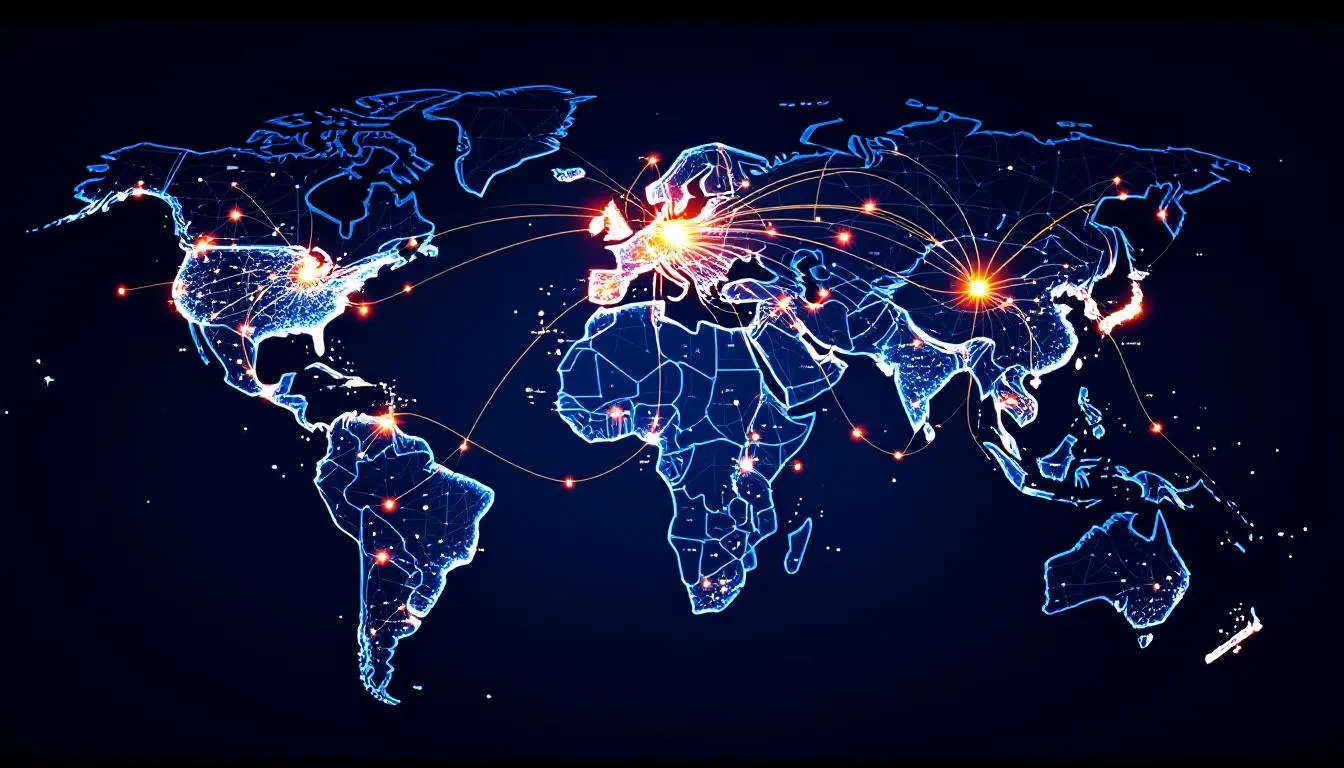
Local businesses frequently discover unexpected global demand for their products or expertise. A specialty food producer might find customers worldwide, or a consultant might serve clients across multiple continents—all through establishing a strong digital presence.
Online businesses can scale 5x faster than traditional brick-and-mortar operations, according to industry data. The reduced overhead and elimination of geographic constraints allow rapid expansion when demand increases.
The 24/7 nature of online business means customers can discover, research, and even purchase from your business at any time. This round-the-clock availability significantly increases sales opportunities without requiring additional staffing or operational changes.
Business Success: Data-Driven Insights for Better Business Decisions
Google Analytics, social media insights, and customer data provide actionable business intelligence impossible to obtain through traditional marketing. These platforms reveal detailed information about customer demographics, behaviour patterns, preferences, and purchasing journeys.
Understanding which content resonates with your target audience allows you to create more effective marketing messages and product offerings. Social media analytics show which posts generate engagement, helping refine your brand voice and content strategy.
A/B testing online campaigns improves conversion rates by 15-25% on average. This data-driven approach allows continuous optimisation of everything from email subject lines to website layouts, maximising the effectiveness of your marketing efforts.
Customer feedback collected through online reviews, social media comments, and website interactions provides valuable insights for product development and service improvements. This direct feedback loop enables rapid adaptation to customer needs and preferences.
Website analytics reveal customer behaviour patterns that inform business decisions beyond marketing. Understanding which pages customers visit, how long they stay, and where they exit helps optimise user experience and identify new business opportunities.
Enhanced Customer Engagement and Relationship Building
Social media platforms enable direct communication with customers and community building around your brand. This two-way interaction creates stronger relationships than traditional one-way advertising methods.
Responding to reviews and comments within 24 hours demonstrates responsiveness and builds customer loyalty. Businesses that maintain active engagement see significantly higher customer satisfaction ratings and repeat business rates.
Email marketing nurtures customer relationships through personalised content and offers tailored to individual preferences and purchase history. This ongoing communication keeps your business top-of-mind and encourages repeat purchases.
Chatbots and live chat features provide instant customer support, addressing questions and concerns immediately. This immediate availability improves customer satisfaction and often prevents potential customers from seeking alternatives.
User-generated content from customers sharing their experiences creates authentic marketing material while building a community around your brand. Encouraging customers to share photos, reviews, and stories amplifies your reach while providing social proof.
Online Reviews: The Risks of Neglecting Your Online Presence
Businesses without adequate online presence lose approximately 70% of potential customers to competitors with stronger digital footprints. In today’s digital-first marketplace, absence from online channels effectively makes your business invisible to most customers.
Negative reviews or outdated information can damage a business’s reputation quickly when left unmanaged. A single negative review ranking high in search results can deter numerous potential customers, while outdated contact information frustrates those trying to reach you.

The difficulty of catching up once competitors establish strong digital positions creates lasting disadvantages. Businesses that delay digital adoption often find themselves years behind competitors in search rankings, social media following, and online reputation.
Economic downturns and market changes disproportionately impact businesses without a strong online presence. The COVID-19 pandemic demonstrated this dramatically, as businesses with robust e-commerce and digital engagement capabilities continued generating revenue while others struggled.
The online presence risk extends beyond lost customers to reduced credibility. Modern consumers question the legitimacy of businesses without a professional online presence, viewing the absence from digital channels as a red flag.
Digital Marketing Frequently Asked Questions
How long does it take to build a strong online presence?
Building a basic online presence typically takes 1-3 months, including setting up a professional website, claiming a Google Business Profile, establishing social media accounts, and creating initial content. However, achieving strong authority and significant organic traffic usually requires 6-12 months of consistent effort. Factors influencing timeline include industry competition, content quality and frequency, budget for paid advertising, and consistency of effort across all platforms.
What’s the minimum budget needed for an effective online presence?
Essential elements can be established for $200-400 monthly. This includes website hosting and domain ($10-50/month), basic social media management tools ($20-100/month), and a minimal advertising budget ($200-500/month). However, businesses serious about growth typically invest $500-2000 monthly when including professional content creation, expanded advertising, and marketing automation tools. The key is starting with essentials and scaling investment as you see results.
Can a traditional business survive without going digital?
While some businesses in very local markets might survive short-term without a digital presence, the trend strongly favours digital adoption. Industries like hospitality, retail, and professional services see the steepest declines for non-digital businesses. Statistics show businesses without an online presence lose 23% market share annually to digital competitors. Even traditional industries benefit significantly from basic online presence for credibility and customer convenience.
Which online platforms should my business prioritise first?
Start with Google Business Profile and a professional website, as these capture the majority of customer research behaviour. Next, choose 1-2 social media platforms where your target audience is most active—Facebook for broader demographics, Instagram for visual businesses, and LinkedIn for B2B services. Email marketing should be implemented early for nurturing customer relationships. Avoid spreading efforts across too many platforms initially; depth beats breadth in the early stages.
How do I measure the success of my online presence efforts?
Key metrics include website traffic growth (aim for 10-20% monthly increase), conversion rates (2-5% for most industries), online review scores (target 4.5+ stars), social media engagement rates (2-6% depending on platform), and local search rankings for relevant keywords. Use Google Analytics for website performance, social media native analytics for engagement, and tools like Google Search Console for search visibility. Most importantly, track leads and sales attributed to digital channels to measure ROI.
Take your business to the next level with a Pixel Fish Website.
Check out some of our latest Website Design projects.
Further Information
What You Need to Know About Inbound Marketing in a Nutshell
10 Great Reasons to Use WordPress Web Design for Your Business
How to know if you are ready to Start your E-Commerce Website
Tips for Making Your WordPress Site Secure
How regularly should my business publish on Social Media?
Maximise Your Reach: Why Your Website Is the Perfect Partner for Your Social Media Marketing